

Partner
When a lemon law case involves complex mechanical, electrical, or software-related defects, technical witnesses often play a central role in proving what went wrong. Their inspections, diagnostics, and analysis help establish the cause of the defect, the impact on your vehicle, and whether the dealership’s repairs were adequate. At The Lemon Firm, we use qualified automotive witnesses whose findings strengthen your claim, counter manufacturer arguments, and provide the clear technical record needed to support a refund or replacement. We represent California consumers in these cases and can help you move forward if your vehicle continues to malfunction.
Why Choose The Lemon Firm
When you hire us, you gain a legal team that understands how to build a case supported by objective technical evidence. Our clients work with us because we offer:
- A deep bench of automotive technicians who understand defect patterns and real-world failure modes
- Strategic use of inspections, diagnostics, and vehicle testing to identify underlying problems
- Skilled trial attorneys who know how to present technical findings clearly and effectively
- Direct communication and ongoing guidance at every stage of your case
- A proven record of outcomes shaped by credible technical testimony
How Technical Witnesses Influence Lemon Law Litigation
What Do Technical Witnesses Do in a Lemon Law Case?
Lemon law cases often involve defects that are hard to diagnose or replicate. Technical witnesses help uncover what is happening inside the vehicle by reviewing repair records, performing inspections, and evaluating whether dealership work met required standards. Their testimony explains how and why a defect affects the vehicle’s use, value, or safety, which is central to California’s lemon law.
Why Technical Testimony Matters When Manufacturers Dispute the Defect
Manufacturers frequently rely on in-house engineers or dealership personnel to argue that a defect does not exist. Independent technical witnesses counter those arguments with objective findings. Their analysis often becomes a deciding factor when:
- A defect is intermittent
- Repair attempts failed for reasons not revealed in dealership records
- Manufacturers blame the consumer for the problem
- A defect involves complicated software, electronics, or newer automotive technology
- The severity of the defect is unclear without in-depth testing
When juries and judges hear testimony based on unbiased inspections, the technical record becomes much harder for a manufacturer to refute.
How Technical Witnesses Evaluate Vehicle Defects
In-Depth Inspections and Diagnostics
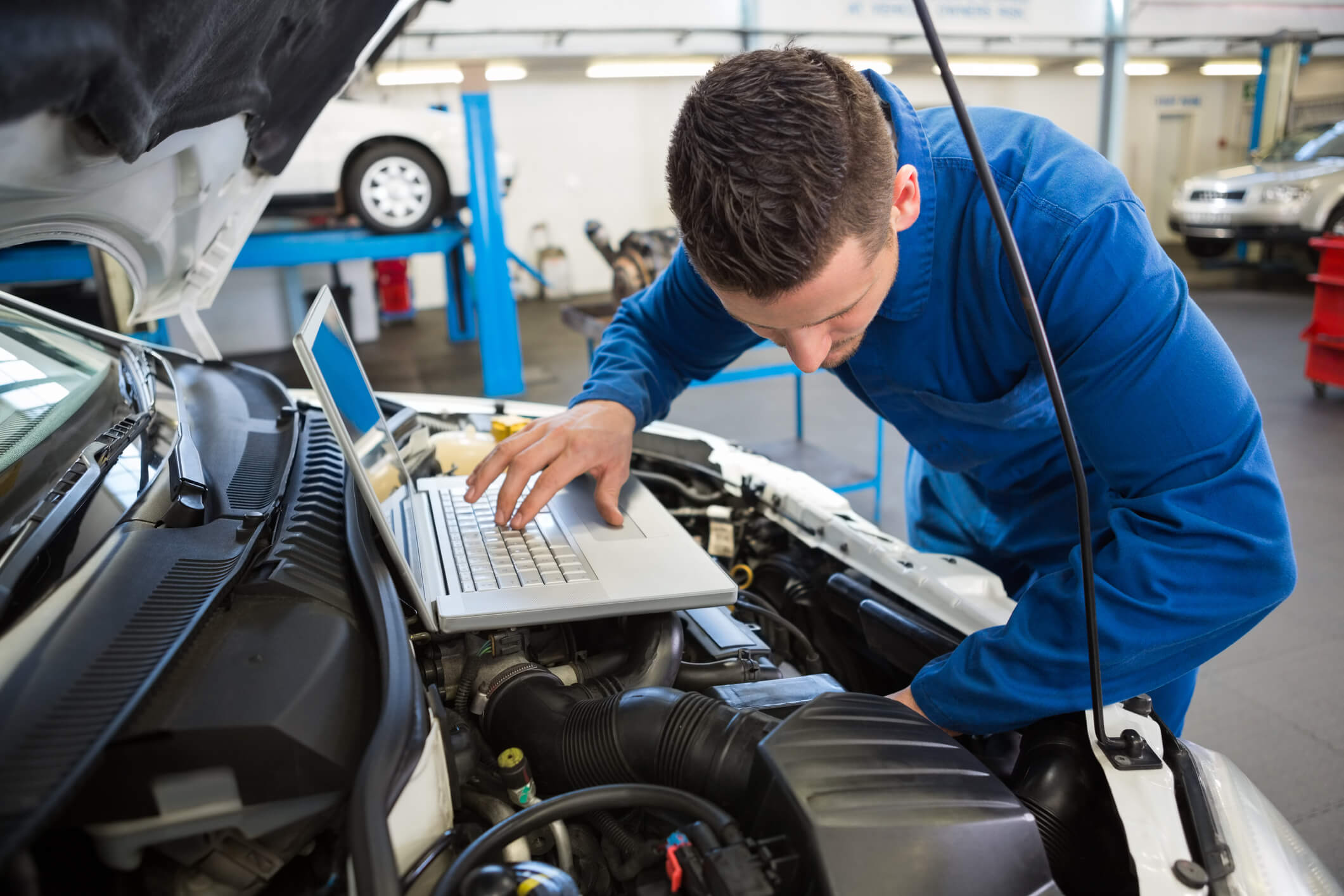
Technical witnesses conduct hands-on evaluations that go far beyond standard dealership tests. They may:
- Perform extended test drives
- Use diagnostic equipment to detect hidden faults
- Assess the condition of internal components
- Compare the vehicle’s behavior to expected manufacturer performance standards
This type of analysis can reveal problems that routine service appointments overlook.
Reviewing Repair Orders and Dealership Procedures
Many lemon law disputes involve questions about whether the dealership actually performed repairs as documented. Technical witnesses examine repair orders for accuracy, evaluate the quality of the work performed, and determine whether dealership personnel followed required procedures. This review can uncover patterns of incomplete repairs that help support your claim.
Assessing Fluid Samples and Other Scientific Tests
In cases involving engine wear, transmission malfunction, overheating, or internal damage, technical witnesses may analyze fluid samples. These tests give insight into metal shavings, contamination, or other indicators of mechanical failure. Scientific results often provide definitive proof that a defect exists even when manufacturers insist the vehicle is functioning normally.
Explaining Complex Automotive Systems to the Court
Modern vehicles rely on computer modules, advanced sensors, integrated wiring, and software-driven components. Technical witnesses break down these complex systems in plain language so jurors understand:
- How the defect developed
- Why repair attempts failed
- Whether the vehicle is likely to continue malfunctioning
- What the defect means for long-term safety and performance
Clear explanations help decision-makers see the full picture.
When Technical Testimony Determines Case Outcomes
We regularly see cases in which a technical witness’s findings tip the balance in favor of our client. Examples include:
- Stalling or hesitation during acceleration
- Transmission problems that appear only under certain driving conditions
- Electrical failures connected to faulty modules
- Steering or braking issues that dealerships cannot replicate
- Persistent warning lights despite repeat repairs
In many cases, testimony from an independent witness helps prove that the defect exists and has not been corrected, which strengthens your right to a refund or replacement under California’s lemon law.
Your Next Step: Speak With Our Lemon Law Team
Technical evidence is often the strongest foundation of a successful lemon law case. If your vehicle has ongoing defects and you are ready to move forward, we can help you understand your options and determine whether technical testimony would benefit your claim. Contact The Lemon Firm to start your case evaluation and get clear guidance on the best way to move ahead.
FAQ: Expert Witnesses in Lemon Law Litigation
Do all lemon law cases require a technical witness?
Not always. Some defects are well-documented in manufacturer records or widely known. Technical testimony becomes more important when the defect is intermittent or when the manufacturer disputes your claim.
Will the technical witness inspect my vehicle in person?
In many cases, yes. Inspections allow the witness to verify conditions that may not appear in repair orders.
Who pays for the technical witness?
These costs may be recoverable as part of your lemon law case. We can explain how this works during your consultation.