
Toyota Motor North America has announced a significant recall involving more than 100,000 Toyota Tundra pickups and Lexus LX SUVs from the 2022 and 2023 model years.

This action addresses a critical issue where machining debris left in the turbocharged V-6 engines during production can lead to engine problems, including potential power loss.

Details of the Recall

The recall affects a total of 102,092 vehicles, including 98,568 Tundra trucks and 3,524 LX600 SUVs. The problem arises from machining debris that was not adequately cleared during the manufacturing process. This debris can lead to a range of engine issues such as knocking, rough running, failure to start, or even complete power loss. Toyota warns that losing power, particularly at higher speeds, increases the risk of a crash, making this recall a critical safety issue.

Toyota’s Response and Solution

In response to this defect, Toyota has decided to replace the affected engines entirely at no cost to the customers. An updated statement from Toyota on July 25 confirmed that the easiest solution is replacing the affected vehicles’ engines.

Toyota has begun notifying affected owners, and replacement efforts are underway. The company has stated that the engine replacement process is expected to take between 13 and 21 hours to complete. Customers will receive loaner or rental vehicles during this time to minimize inconvenience. The recall affects only gas-powered models; this issue does not impact hybrid versions of the Tundra and LX600.

Customer Notifications and Support

Owners of the affected vehicles have been or will soon be contacted by Toyota and Lexus dealers. Notifications began in July, with efforts to ensure all affected owners are informed of the recall and the necessary steps for engine replacement. Customers can also verify if their vehicle is part of this recall by visiting the National Highway Traffic Safety Administration’s (NHTSA) website or using Toyota’s recall tool.

This recall is part of a series of recent challenges faced by Toyota. The automaker has experienced several recalls involving its latest models, including a stop-sale on the new Toyota Grand Highlander and Lexus TX due to a side airbag deployment issue. Also, an unannounced stop-sale occurred in April for the Toyota Prius.

As of May 2024, Toyota had identified 824 engine warranty claims related to the debris issue but reported no injuries linked to the problem. By proactively replacing engines and providing alternative transportation, Toyota aims to resolve the situation efficiently and restore confidence from its customers.

For further information, customers can contact Toyota or their local dealership.

How Toyota Owners Can Take Back Control

While recalls have been communicated to owners, many continue to be unhappy with the solutions provided by automakers. These problems have the potential to escalate into further action, just like this – underlining the importance of protecting consumer rights.

If you struggle with vehicle troubles and feel cornered against big vehicle brands, remember it is always better to have experts with you. With extensive experience and successful cases at hand, The Lemon Firm is your best bet. With the dedicated team members always at your disposal, the package becomes too good to be true. So, if your car is giving you a headache, don’t hesitate to reach out!

Call 833 Lemon Firm and speak with a case analyst today!

Toyota is recalling approximately 145,000 Grand Highlander and Lexus TX SUVs due to a potential issue with the curtain-shield airbags, which may not deploy correctly during a crash. Here’s what you need to know about this important recall.

Details of the Recall

Toyota has identified a problem with the driver’s side curtain-shield airbags in the 2024 models of the Grand Highlander and Lexus TX. The defect could prevent the airbag from deploying properly if the driver’s window is rolled down during an accident. This malfunction increases the risk of injury as the airbag might not offer adequate protection.

Affected Models

The recall includes the following models:

  • 2024 Toyota Grand Highlander
  • 2024 Toyota Grand Highlander Hybrid
  • 2024 Lexus TX350
  • 2024 Lexus TX500 Hybrid
  • 2024 Lexus TX550 Hybrid+

Notification and Next Steps

Toyota is currently working on a solution for the airbag deployment issue. Owners of the affected vehicles will receive notification letters by mid-August 2024, specifically between August 5 and August 19. Until a fix is in place, Toyota recommends driving with the driver’s window rolled up to mitigate the risk.

Ongoing Efforts and Solutions

Toyota has acknowledged the problem and is actively developing a repair strategy. While the specific fix is not yet determined, the automaker assures that all repairs will be provided at no cost to the vehicle owners.

Recent Toyota Recalls

This recall adds to a series of recent recalls by Toyota, including issues with defective camera displays, loss of motive power, and doors opening while in motion. These recalls and owner notices highlight the importance of staying informed about vehicle safety.

Advice for Affected Owners

If you own one of the affected vehicles, it is crucial to follow Toyota’s guidance and keep your driver’s window rolled up until the airbag issue is resolved. For further details and updates, you can visit the official Toyota recall website or contact your local dealership. Stay safe and ensure your vehicle is up to date with all necessary repairs and recalls.

How Vehicle Owners Can Take Back Control

While recalls have been announced, many continue to be unhappy with the solutions provided by automakers. These problems have the potential to escalate into further legal action – underlining the importance of protecting consumer rights.

If you struggle with vehicle troubles and feel cornered against big vehicle brands, remember it is always better to have experts with you. With extensive experience and successful cases at hand, The Lemon Firm is your best bet. With the dedicated team members always at your disposal, the package becomes too good to be true. So, if your car is giving you a headache, don’t hesitate to reach out!

Call 833 Lemon Firm and speak with a case analyst today!
A recent recall affects Toyota Tundra pickup trucks due to a serious fuel line defect.

Background of the Recall

Toyota is recalling over 168,000 Tundra and Tundra Hybrid pickup trucks from the 2022 and 2023 model years due to a potential fire risk caused by a plastic fuel line. 

The recall stems from a manufacturing problem that has been identified and addressed. Initially, a clamp used in the assembly allowed the fuel line to shift and make contact with an adjacent brake line. 

Over time, this contact could cause the plastic fuel tube to wear against the metal brake line, leading to a fuel leak. Should this leak occur near an ignition source, it could significantly increase the risk of a fire. The corrective measures include installing protective materials and clamps to prevent future wear and replacing the fuel tube with an upgraded part.

Which Models Are Affected?

If you drive or have owned or leased a 2022-2023 Toyota Tundra or Tundra Hybrid, your model may be affected. The recall includes Tundra pickup trucks manufactured between November 2, 2021, and July 24, 2023, and Tundra hybrid pickup trucks produced between March 15, 2022, and June 7, 2023.

What Owners Need to Do Next

Toyota has outlined a two-phase fix for the issue. In October 2023, dealerships started temporarily installing protective materials and a clamp on the fuel tube. Once an improved part is available, the fuel tube will be replaced with a newer version. Toyota committed to providing loaner vehicles or alternative transportation for owners uncomfortable driving their recalled Tundra’s while awaiting the final fix.

Owners can contact Toyota customer service at 800-331-4331 for more information, referencing recall numbers 23TB09/23TA09 or NHTSA campaign number 23V566. To check if your vehicle is under recall, visit NHTSA’s website or use their Recalls Lookup Tool with your VIN.

How Toyota Owners Can Take Back Control

While recalls and fixes have been communicated to owners, many continue to be unhappy with the solutions provided by automakers. Although there is now a fix, not all fixes are permanent. Plus, these problems have the potential to escalate into further issues – underlining the importance of protecting consumer rights.

If you struggle with vehicle troubles and feel cornered against big vehicle brands, remember it is always better to have experts with you. With extensive experience and successful cases at hand, The Lemon Firm is your best bet. With the dedicated team members always at your disposal, the package becomes too good to be true. So, if your car is giving you a headache, don’t hesitate to reach out! 

Call 833 Lemon Firm and speak with a case analyst today!
Two plaintiffs filed a class-action lawsuit claiming Toyota failed to disclose a coolant bypass valve defect for two popular models.

History Behind the Recall

The latest class action coming from two vehicle owners have claimed that Toyota allegedly failed to disclose defective coolant bypass valves which prematurely fail. 

Both Geri Barrientos and Michael Foerst’s document filed with Florida and California subclasses claim that Toyota “actively concealed material facts about the defect from consumers, including, among other things, that the vehicles were prone to the defect and require costly fixes to repair”.

The Toyota class action also says “At all relevant times, Defendants knew, or through the exercise of reasonable care had reason to know, that the coolant bypass valves in the Class Vehicles were defective and that the existence of this defect would materially affect Plaintiffs and the Class’s decision to purchase the Class Vehicles”.

Which Models Are Affected?

The class action lawsuit against Toyota concerns the RAV4 and Corolla models from the years 2019 to 2023. Several owners of these vehicles have reported issues with the coolant bypass valves. This defect is said to impact the vehicle’s overall performance and longevity, leading to potentially expensive repairs. The plaintiffs argue that Toyota knew about these defects but did not disclose this information to consumers, thus affecting their purchasing decisions.

What Owners Need to Do Next

If you own or lease a 2019-2023 Toyota RAV4 or Corolla, it’s crucial to stay informed about the class action lawsuit regarding the coolant bypass valve defect. Follow lawsuit developments through legal news sources, document any issues with your vehicle, and keep records of repair bills and communications with Toyota. 

Consider consulting a lawyer, such as Lemon Law specializing in consumer protection or class actions for guidance on joining the lawsuit. You may also Toyota customer service to report your problems and ensure your complaint is on record. Stay engaged with updates on potential settlements or recalls to benefit from any compensation or repairs offered.

For more information, the class action lawsuit concerning Toyota’s coolant bypass valves is titled Barrientos, et al. vs. Toyota Motor Sales, U.S.A., Inc., et al., and is filed under Case No. 4:21-cv-06770 in the U.S. District Court for the Northern District of California.

How Toyota Owners Can Take Back Control

While owners have opened class actions, many more continue to be unhappy with the solutions provided by automakers. These problems have the potential to escalate into further action, just like this – underlining the importance of protecting consumer rights.

If you struggle with vehicle troubles and feel cornered against big vehicle brands, remember it is always better to have experts with you. With extensive experience and successful cases at hand, The Lemon Firm is your best bet. With the dedicated team members always at your disposal, the package becomes too good to be true. So, if your car is giving you a headache, don’t hesitate to reach out! 

Call 833 Lemon Firm and speak with a case analyst today!
Toyota has announced a recall after discovering water ingress on the rear doors posing a serious safety concern.

History Behind The Recall

A major safety risk for owners of Toyota Prius vehicles after discovering they could open whilst driving. Water ingress on the rear door latches leads to the electronic part malfunctioning, causing them to open if they are unlocked. 

Which Models Are Affected?

211,000 Prius vehicles are affected worldwide, 55,000 of which are in North America. Affecting the 2023 and 2024 model years. To find out if your model is affected you may contact Toyota customer service at (800) 331-4331. Toyota’s numbers for this recall are 24TB06 and 24TA06.

What Owners Need to Do Next

Toyota’s dealer network will replace the faulty door latches with better versions free of charge. In the meantime, Prius owners have been advised to choose the automatic lock option as the vehicle drives away to help prevent the door from opening unexpectedly. 

There have not been any injuries reported so far, and owners will be contacted in early June about this recall. 

How Owners Can Take Back Control

While recalls have been communicated to owners, many continue to be unhappy with the solutions provided by automakers. These problems have the potential to escalate into further legal action, just like this – underlining the importance of protecting consumer rights.

If you struggle with vehicle troubles and feel cornered against big vehicle brands, remember it is always better to have experts with you. With extensive experience and successful cases at hand, The Lemon Firm is your best bet. With the dedicated team members always at your disposal, the package becomes too good to be true. So, if your car is giving you a headache, don’t hesitate to reach out! 

Call 833 Lemon Firm and speak with a case analyst today!

The Japanese automaker has announced a mass recall after it was discovered that stability control fails to turn back on automatically after a vehicle is restarted.

History Behind The Recall

Both Toyota and Lexus models ranging between 2020 and 2022 model years are subject to a recall causing the stability control system to not switch back on.

A stability control software glitch means that if an owner were to turn off the feature during driving, the system would fail to automatically switch back on the next time the car is used. This results in non-compliance with US regulations and could potentially affect the safety and handling of the nearly 460,000 affected vehicles.

Stability control is a safety feature in vehicles designed to help maintain control during sudden maneuvers or slippery road conditions. It works by automatically applying brakes to individual wheels and, in some cases, adjusting engine power to prevent skidding or loss of control.

When stability control is switched off, it increases the risk of accidents, especially during emergency maneuvers or adverse weather conditions. Without stability control, the vehicle is more prone to oversteer, understeer, or even rollovers, as it lacks the assistance needed to counteract these dangerous situations.

Which Models Are Affected?

Many different models are affected by a recall, and most of them have at least one electric motor used within the powertrain. The recall affects various Toyota models from 2020 to 2022 including the Venza, Mirai, RAV4 Hybrid, RAV4 Prime, Sienna Hybrid, and Highlander Hybrid. Also, Lexus models such as LS500h, LX600, NX350h, and NX450h+ are a part of it. Along with the non-hybrid, fully combustion-powered LX 600.

What Happens Next

Owners will be notified about the recall before the end of June. The Japanese automaker will instruct owners to take the vehicle to their respective dealer where fixing this problem is relatively simple. A Toyota or Lexus technician will update the software in your vehicle’s stability control module. This will be completed for zero cost to owners.

If you think your car might be part of this recall and you need more info, you can call Toyota customer service at 1-800-331-4331. Mention recall number 22TA03 for Toyota and 22LA01 for Lexus.

How Owners Can Take Back Control

While recalls have been communicated to owners, many continue to be unhappy with the solutions provided by automakers. These problems have the potential to escalate into further legal action, just like this – underlining the importance of protecting consumer rights.

If you struggle with vehicle troubles and feel cornered against big vehicle brands, remember it is always better to have experts with you. With extensive experience and successful cases at hand, The Lemon Firm is your best bet. With the dedicated team members always at your disposal, the package becomes too good to be true. So, if your car is giving you a headache, don’t hesitate to reach out! 

Call 833 Lemon Firm and speak with a case analyst today!

Toyota’s popular mid-size truck is subject to a recall after loose nuts from a manufacturing error and posing a significant safety risk.

Loose Nut Issue Explained

Toyota has recalled its popular Tacoma truck after it was revealed that loose nuts may result in the separation of rear axle components. The risk of the rear axle separating would pose a safety risk for both vehicle stability and during braking.

The issue is a result of welding debris which is deposited on the rear axle assembly during the manufacturing process. The debris might result in the retaining nuts loosening and eventually falling off, Toyota has announced.

Which Tacoma Models Are Affected?

This loose nut recall affects 381,000 Tacoma models which have been assembled in Toyota’s San Antonio, Texas plant. Both the rear-wheel and four-wheel drive models are affected across the 2022 and 2023 model years. 

This particular model has now been subject to three recalls so far. The previous recalls affected welding issues for the child seat safety latch and illegible payload label.

This third-generation Tacoma was first introduced in 2016 and now Toyota has unveiled a newly designed Tacoma for 2024. With new tech, larger beds, and hybrid powertrains, Toyota hopes to eliminate design and production flaws that led to so many recalls. 

What Consumers Need to Do Next

Customers of the affected 2022 and 2023 Tacoma recalls should receive a notice in the mail by the end of April 2024. This notice will enclose instructions for owners, informing them that they will need to take their Tacoma truck to their nearest Toyota service center for inspection. From here, Toyota technicians will inspect and tighten the potentially loose rear axle retaining nuts. Any damage that has occurred as a result of the loose nuts will be repaired or replaced entirely by Toyota, free of charge.

You can find out more information about the latest recall for Toyota vehicles on Toyota’s recall hub.

How Consumers Can Take Back Control

This latest announcement from Toyota affects almost 400,000 Tacoma trucks. As the rear axle nuts could eventually fall off, this poses a significant safety risk. Whilst the recalls have been initiated, many owners continue to be unhappy with the solutions provided by automakers. These problems have the potential to escalate into further legal action, just like this – underlining the importance of protecting consumer rights.

If you struggle with vehicle troubles and feel cornered against big vehicle brands, remember it is always better to have experts with you. With extensive experience and successful cases at hand, The Lemon Firm is your best bet. With the dedicated team members always at your disposal, the package becomes too good to be true. So, if your car is giving you a headache, don’t hesitate to reach out! 

Call 833 Lemon Firm and speak with a case analyst today!

Toyota, the world’s biggest automaker, has announced a transmission fault affecting 280,000 vehicles across their pick-up and SUV range. Read on to find out if your vehicle is affected and what you need to do next.

Transmission Issue Explained

The Japanese automaker has announced that the engine may not disengage fully when the vehicle is in neutral. When parked in neutral there is a risk of affected vehicles creeping forward. Toyota representatives have explained that engine power can be transferred to the wheels as the transmission fails to fully engage the neutral gear.

Toyota has explained that a creep forward could occur even when stopped on a level surface, in neutral gear, and with no brakes applied, therefore increasing the risk of a crash.

Which Models Are Affected?

Three popular models are affected across the Toyota and Lexus lineup. Toyota Tundra pick-up, Toyota Sequoia SUV and Lexus LX 600 SUV built between 2022 and 2024 are the models affected, spanning 280,000 vehicles in total.

According to NHTSA data, this adds to Toyota’s total of 4.2 million vehicles being recalled in 2023. The majority of those came from a separate recall where around one million vehicles had electrical issues that may have prevented airbags from deploying.

What Customers Need to Do Next

Toyota plans to issue a recall notice to all affected owners by the end of April. From here, affected owners will need to take their vehicles to the respective Toyota or Lexus dealership where a software update will fix the issue.

To find out if your vehicle is one of the affected models, or to check any other recalls initiated for your Toyota or Lexus vehicle then head to Toyota.com/recall or nhtsa.gov/recalls and enter your Vehicle Identification Number (VIN) or license plate information.

How Consumers Can Take Back Control

This latest announcement from Toyota, the world’s biggest car brand by volume, affects a critical transmission feature that may cause accidents. Affecting three major models in their lineup and almost 300,000 vehicles in total, it is a significant setback for the automaker. Whilst free software updates have been announced for the affected vehicles, many owners continue to be unhappy with the solutions provided by automakers. These problems have the potential to escalate into further legal action, just like this – underlining the importance of protecting consumer rights.

If you struggle with vehicle troubles and feel cornered against big vehicle brands, remember it is always better to have experts with you. With extensive experience and successful cases at hand, The Lemon Firm is your best bet. With the dedicated team members always at your disposal, the package becomes too good to be true. So, if your car is giving you a headache, don’t hesitate to reach out! 

Call 833 Lemon Firm and speak with a case analyst today!
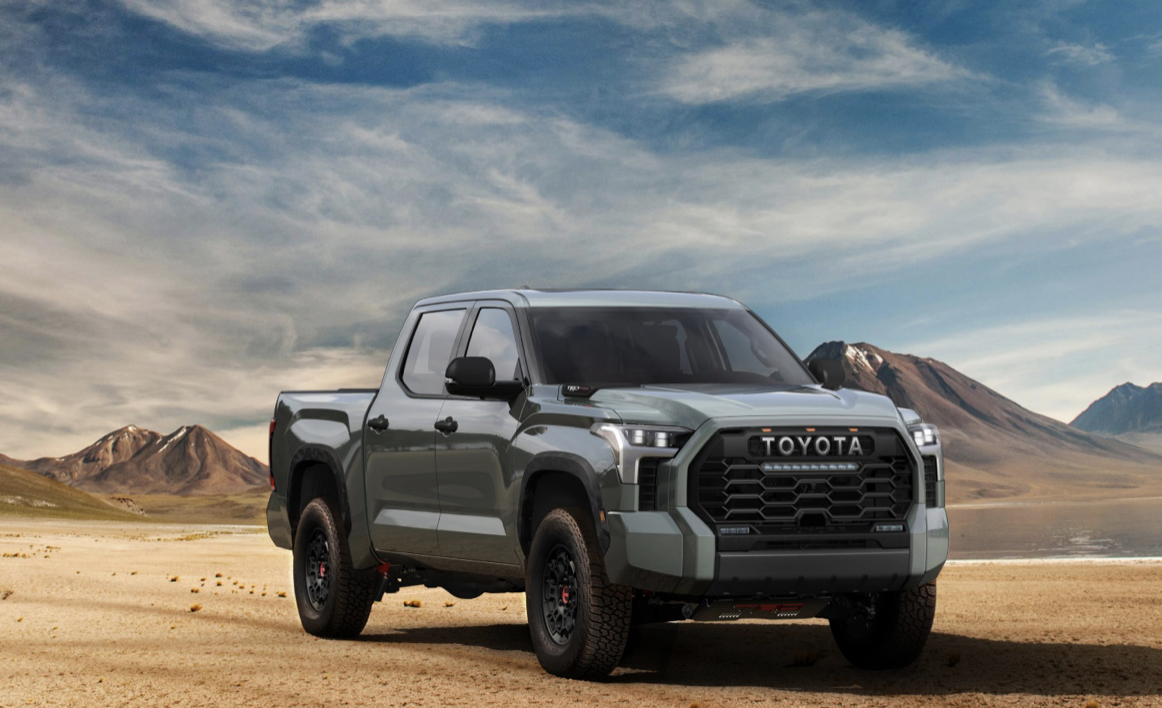
Toyota is not new to the automobile industry. However, the company is currently under scrutiny for the 2022-2023 Tundra line regarding issues with the fuel lines. A class action lawsuit predicts a massive fire risk along with multiple environmental hazards. 

The Main Problem: Defects in the Fuel Line

A malfunctioning fuel line poses serious safety risks to the driver and passengers. The 2022-2023 models of this truck have plastic fuel lines installed within. The class action contends that these fuel lines may rub against the metallic brake lines every time the car moves. When the fuel lines collide with the metallic brake lines, there is a high chance of a fuel leak, and a fire will be sparked eventually. 

Details behind the Lawsuit 

Benjamin Murphy – the plaintiff filed a class action lawsuit against Toyota in the Texas Federal Court. Firstly, the lawsuit states that Toyota manufactured and sold the Tundra 2022-2023 vehicles with impaired fuel lines. It also makes a serious claim regarding environmental damage. According to the class action, a faulty fuel line reduces the driver’s miles per tank and potentially deteriorates environmental conditions. As a result, the company’s mistake is like a dual-ended sword – causing both financial and environmental losses. 

The class action also sheds light on lemon law infringements. It alleges that Toyota’s negligence and fraudulent behavior may breach the well-known Magnuson-Moss Warranty Act.

Steps Taken By Toyota

Toyota has been under the knife for defective models before, as well. However, the company took notice, and major steps were taken. The details are as follows:

  • August 2023: Recall of 170,000 vehicles from the 2022-2023 Toyota Tundra line.
  • October 2022: A class action settlement in response to defective Denso fuel pump claims.

Wrapping Up

The whole situation with the Toyota Tundra really underscores how crucial safety and trust are when it comes to cars. This lawsuit is likely to pause major Toyota sales for at least a while now. Potential buyers are advised to keep a watchful eye on all legal proceedings. 

Lastly, if you struggle with car troubles and feel cornered against big automakers, remember it is always better to have experts with you. With extensive experience and successful cases at hand, The Lemon Firm is your best bet. With the dedicated team members always at your disposal, the package becomes too good to be true. So, if your gas powered, hybrid or EV is giving you a headache, don’t hesitate to reach out!

Call 833 Lemon Firm and speak with a case analyst today!
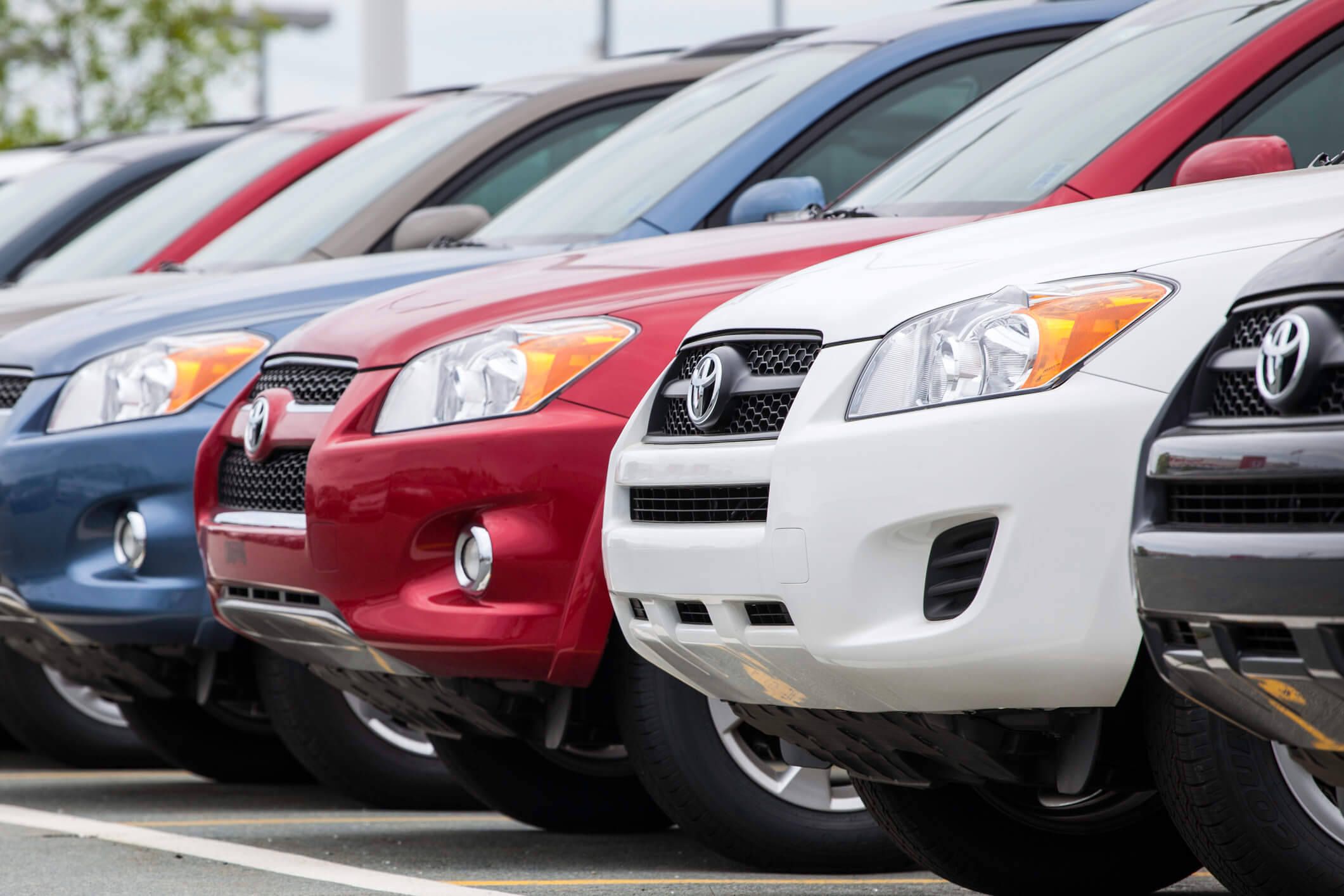
2019 RAV4 Problems

As of December 2021, there were 35 reports of transmission problems reported by RAV4 drivers. One consumer reported that he bought a 2019 RAV4, with 17,500 miles on it, and frequently faced problems with the gears shifting properly. This RAV4 owner took his RAV4 to a Toyota dealership and received a software update to correct the issue. More often than not, these types of software updates are more of a band aid than a fix, as vehicles do not improve over time.

Another driver reported that his RAV4 kept lurching forward at lower speeds, creating an uncertain and potentially hazardous commute on the on ramp to the busy 10 freeway. Shaking and shuttering were common among complaints as well. He was told that the dealership could not duplicate the issue and his vehicle was operating as designed.

According to reports, there were six recall issues for the 2019 RAV4 for problems such as leaking engine coolant, separating suspension arms, backup camera issues, and more. Surprsingly, there weren’t any recalls for transmission problems.

2020 RAV4 Transmission Problems

The 2019 Toyota RAV4 transmission problems were well documented. The universal hope was that the 2020 RAV4 would be an improved model, but we are already seeing too many reports and dissatisfaction. Drivers are facing many issues with the 2020 RAV4; below are some problems:

  • Stumbling Transmission.
  • Lagging Transmission.
  • Leaking Transmission.
  • The fuel gauge doesn’t always work and shows that the fuel tank is empty.
  • The brakes sometimes fail without warning.
  • Alignment/Steering issues

2020 Toyota RAV4 Recalls

The 2020 RAV4 transmission problems haven’t led to any recalls yet. However, here are the 2020 Toyota RAV4 recalls as of April 2021:

  • Some 2020 RAV4s have had engine issues, leak coolant, and it has prompted Toyota to put out a recall that offers some RAV4 owners a whole new engine and engine block free of charge.
  • The front lower suspension arms on some 2020 RAV4s might have cracked in them, and Toyota has agreed to replace these arms free of charge to make them safe again.
  • There are a select few 2020 RAV4s with electric power steering problems that have prompted Toyota to replace the power steering gearboxes in these RAV4s.
  • The fuel pumps in some 2020 RAVs have started to fail and cause engine problems, which has forced Toyota to replace the fuel pump assemblies in them.
  • The steering columns in some 2020 RAV4s may have an impact on the airbags in them, which is why Toyota is offering to replace the steering columns in them.

Has Toyota Fixed The Rav4 Problems?

According to multiple sources, the Toyota RAV4 transmission can be fixed with a software update that was released on April 15th of 2019. However, some owners reported that the transmission problems still occurred after receiving updates from the Toyota dealership and drivers have to take their RAV4 to a dealership to receive the update.

Some consumers have also reported problems with the fuel system.

Final Thoughts

Toyota is renowned worldwide as one of the more reliable car manufacturers, that being said no automaker is exempt from defects off the assembly line and design flaws. When some new models are released the ambition of the manufacturer can exceed the ability and know-how of the service technicians. If your vehicle is in disrepair for over 30 days at the dealership, you have a cause of action against the manufacturer under the California Song Beverly act.

Serious car problems require serious legal representation, especially when you are bringing a claim against a major automaker. At the Lemon Firm, our experienced attorneys have been able to successfully recover compensation for our clients who were sold a vehicle that did not perform as intended and we can do the same for you.

Contact us for a free consultation today if you have experienced problems like those experienced by the Jeep class action above or any other types of design or manufacturing defects with your vehicle.  Our experienced attorneys can be reached by calling (833) Lemon-Firm.