White Jeep Wrangler parked on rocky terrain under a blue sky.

A class action lawsuit was filed alleging Jeep Wrangler and Gladiator corrosion warranties are a “sham.” The lawsuit includes 2018-2021 Jeep Wranglers and 2020-2021 Gladiators. Jeep issued technical service bulletins over aluminum corrosion and bubbling paint, and knew about problems but didn’t fix them, says the lawsuit.

The affected Jeep Wrangler and Jeep Gladiator vehicles allegedly suffer corrosion problems which cause the paint to bubble, flake, peel, rust, and/or blister.

The class action lawsuit was filed by a Louisiana plaintiff who purchased a new 2018 Jeep Wrangler, a Maine plaintiff who purchased a new 2020 Jeep Gladiator, and Florida plaintiffs who purchased a new 2019 Jeep Wrangler when they lived in New York.

The plaintiffs assert, they overpaid because the premature corrosion is not covered in the warranty. The suit also says that the plaintiffs then had to spend a lot of money to get the panels repaired and repainted.

According to the Jeep lawsuit, Fiat Chrysler (FCA) began using aluminum in the body panels and chassis to improve fuel efficiency by reducing Jeep weight.

“in its brochures, Jeep boasted that the 2018 Wrangler was ‘Lighter in weight,’ noting that ‘high-strength, lightweight aluminum is used throughout the doors, hood, windshield frame, swing gate, and fenders to help Wrangler shed over 200 lb. It’s strong, durable and aids efficiency.’”  — Jeep Wrangler corrosion warranty lawsuit

Aluminum Jeep Wrangler body panels began in 2018

Automaker Jeep began using aluminum body panels and other stampings to reduce jeep weight. The lawsuit says Chrysler issued TSB 31-001-18 in March 2018 and entitled “Aluminum Body Panel Corrosion Repair” for the 2018 Jeep Wrangler. The bulletin concerned “inspecting and if necessary, removing corrosion and refinishing the suspect aluminum hood, door, or liftgate panel.”

The class action lawsuit also says the 2018 TSB further directed dealers to apply pre-treatment wipes to the repair areas prior to refinishing the aluminum panels.

The suit alleges that the bulletin advised using an anti-corrosion pen on problem areas. But only if the panel did not qualify for replacement.

FCA issued TSB 31-001-19 in July 2019 which expanded the Wranglers beyond those sold in North America to include those sold in the regions of Latin America, Asia Pacific, and Europe.

And on October 27, 2020, FCA then issued TSB 31-002-20 which included the 2020-2021 Jeep Wrangler and the 2020-2021 Jeep Gladiator.

Why Jeep Wrangler warranty is a “sham?”

According to the class action lawsuit, the Jeep corrosion warranty also provided for extended warranty coverage of a period of 60 months for corrosion to “an outer-body sheet metal panel,” which FCA defined as “one that is finish-painted and that someone can see when walking around the vehicle.”

“This warranty covers the cost of all parts and labor needed to repair or replace any sheet metal panels that get holes from rust or other corrosion. If a hole occurs because of something other than corrosion, this warranty does not apply. Cosmetic or surface corrosion — resulting, for example, from stone chips or scratches in the paint — is not covered.” — Jeep corrosion warranty

 According to Jeep Lawsuit, the corrosion warranty is a sham because it is “widely known throughout the automotive industry that aluminum body panels don’t perforate from corrosion, and thus, FCA knew that customers who had purchased the Class Vehicles could never take advantage of the CW to the extent perforation of the panel was a requirement to obtain coverage.”

The plaintiffs allege this means the extended warranty coverage for “an outer-body sheet metal panel” was misleading and deceptive.

The plaintiffs also claim the TSB repairs don’t fix the corrosion problems and do anything for the diminution of value that occurs from repainting the Jeeps. According to the lawsuit, repainted newer Jeeps are worth less than Jeeps with the original paint.

The Jeep corrosion warranty lawsuit was filed in the U.S. District Court for the Eastern District of Michigan: Orozco, et al., vs. FCA US LLC.

Are Other Owners Experiencing This Same Jeep Wrangler JL Corrosion Issue?

When carefully reviewing online Jeep Wrangler Forums and Facebook Group discussions, it’s found that there are many owners who are facing the same issues.

Final Thoughts

If you are an automobile owner and having manufacturing issues, you can contact us for a class-action lawsuit. Serious car problems require serious legal representation, especially when you are bringing a claim against a major automaker. 

At the Lemon Firm, our experienced attorneys have been able to successfully recover compensation for our clients who were sold a vehicle that did not perform as intended and we can do the same for you.

Contact us for a free consultation today if you have experienced problems like those experienced by the Jeep class action above or any other types of design or manufacturing defects with your vehicle.  Our experienced attorneys can be reached by calling (833) Lemon-Firm. 

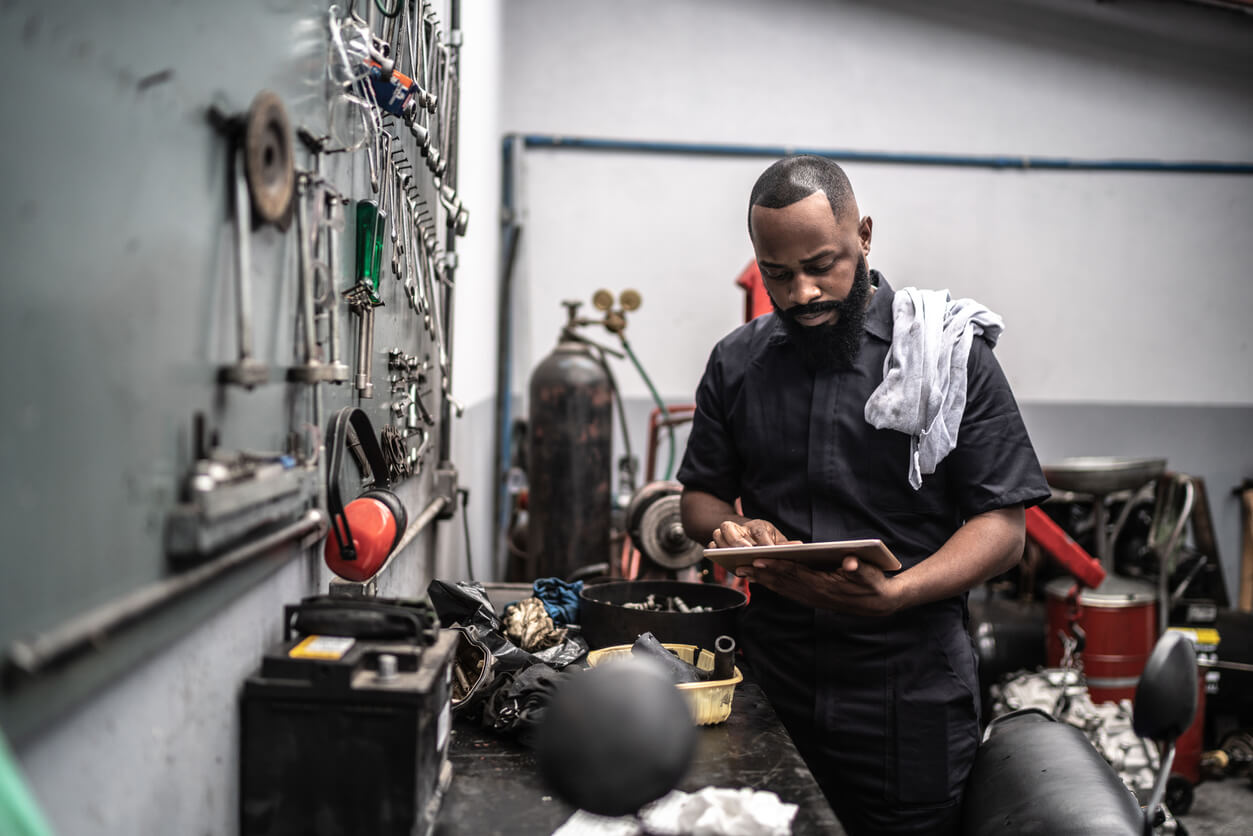
Mechanic writing on a clipboard in a workshop with tools.
By Nicole Halavi

Jeep issued a recall of more than 47,200 model year 2018-2021 Jeep Wrangler and 2020-2021 Jeep Gladiator vehicles equipped with manual transmissions after they were faced with a series of Jeep clutch pressure plate fires.

Notably, this is the second recall issued in less than a year for Jeep Gladiators and Wranglers because the clutch pressure plates have been so susceptible to overheating, fracturing, and catching fire.

Back in October 2020, Jeep employees learned that the clutch pressure plate can quickly fracture once it overheats. This knowledge came after a 2021 Jeep Gladiator caught fire at an assembly plant. Subsequently, engineers reviewed the field data and warranty claims related to clutch assemblies on Jeep Gladiator and Wrangler vehicles. Investigators also received a failed clutch assembly from a 2020 Jeep Wrangler that was repurchased from a customer. Additionally, investigators looked into a crash report concerning transmission-related fires in Idaho and Michigan.

Once the clutch pressure plate breaks, cracks or holes may form in the transmission case, which will then allow heated debris to be expelled from the transmission case. This heated debris can come into contact with combustible materials in the vehicle. While no injuries have been reported, fires can occur leaving road debris behind, which can create a potentially hazardous condition for drivers on the road.

Ultimately, the automaker has announced that owners of 2018-2021 Jeep Wranglers and 2020-2021 Jeep Gladiators should keep an eye out for recall notices in March 2021 with further information about how dealers will add software to remedy this problem. The automaker claims this is merely a design defect and as such, no clutch parts will be replaced.

What Can I Do if I’m Driving a Jeep Exhibiting Issues with the Clutch Pressure Plate?

If you are driving a Jeep Wrangler or Gladiator that is exhibiting any of the issues discussed above concerning the clutch pressure plates, California’s lemon laws are here to protect you and prevent any further complications. The attorneys at CCA are very knowledgeable about the issues associated with clutch pressure plates in Jeeps, and will work with you to fight back against the automaker.

Please do not hesitate to call CCA today for a free consultation: (833) LEMON-FIRM. We’ll get you the compensation you deserve – and at no cost to you!

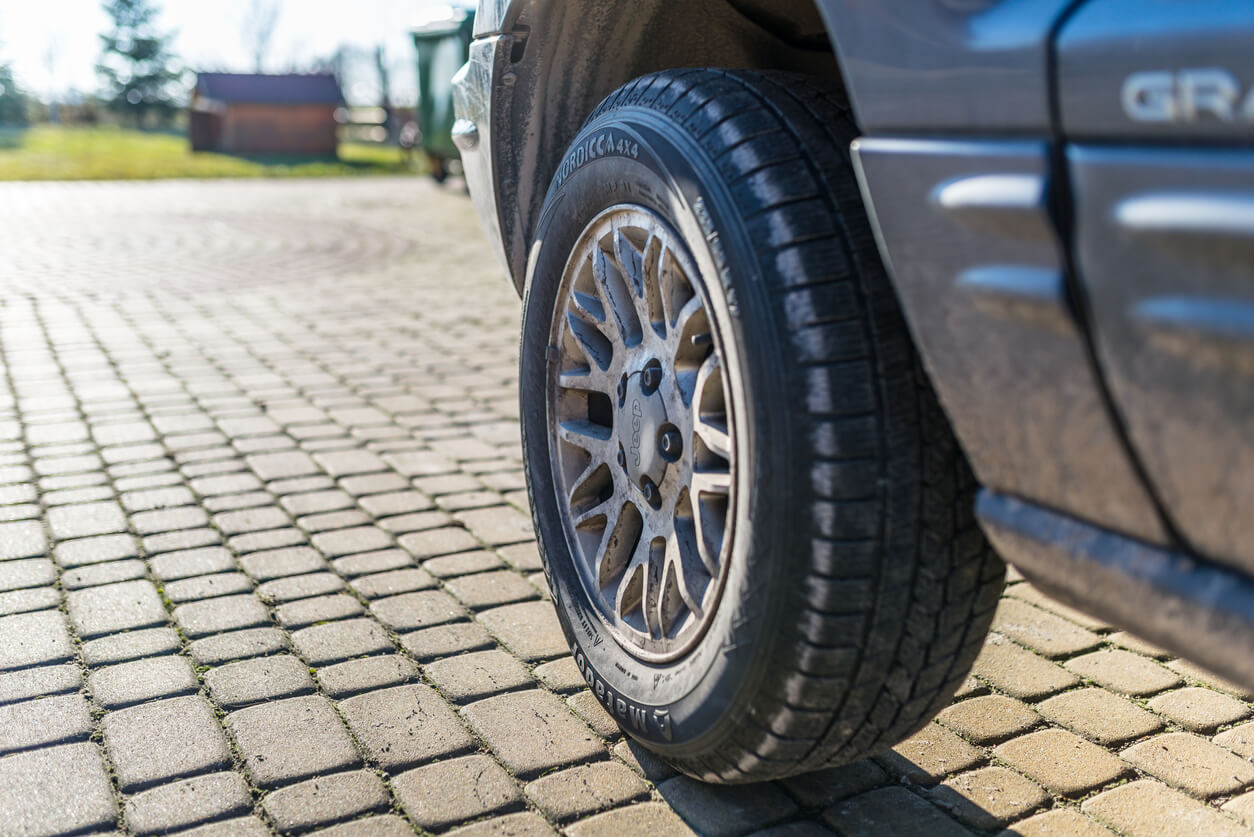
Close-up of a Jeep tire and alloy wheel on a stone driveway.
By Nicole Halavi

Jeep and RAM are both popular American automobile brands that are subsidiaries of the Italian American automobile corporation, Fiat Chrysler. Although Jeep and RAM are relatively popular auto brands, both have been targeted in many user complaints concerning engine stalling issues. In recent news, it was revealed that these defects led to recalls on both the RAM 1500 and Jeep Grand Cherokee models.

If your RAM 1500 or JEEP Grand Cherokee has been exhibiting any ongoing issues or defects, CCA is here to help. Please feel free to call our experts today for a free consultation: (833) LEMON-FIRM.

What are the Issues in the RAM 1500 and Jeep Grand Cherokee that led to a Recall?

Recently, it was revealed that Fiat Chrysler (FCA) has called for a recall of about 130,000 vehicles (2014-2018 RAM 1500 and 2014-2016 Jeep Grand Cherokee) due to a stalling issue caused by improper crankshaft positioning. Ultimately, it was found that this defect may lead to delamination of the sensor tone wheels, which could potentially affect its synchronization functionalities. A desynchronized fuel injector pulse and camshaft timing will result in frequent engine stalls. 

By the end of July 2020, FCA was aware of at least 1200 similar warranty claims related to the engine stall issue. Although the automaker advised that no reported crashes or injuries have resulted from this defect, Chrysler disclosed that RAM and Jeep vehicles with gasoline engines and new third-generation EcoDiesel 6 engines are not included in the recall. 

Below are some excerpts from complaints placed by RAM 1500 and Jeep Cherokee owners:

“I was stopped at a stop light on a busy 4 lane highway when my 2017 Jeep Grand Cherokee stalled and would not re-start. The engine light came on, I could not push the brake pedal in. I called U-connect roadside and they sent a tow truck.” – 2017 Grand Cherokee owner

“My 2016 Ram 1500 Eco Diesel stalled while reversing out of driveway. Could not drive for about 10 mins. Finally, when truck worked engine light came on. My truck has 101 miles. It is new. No one wants a vehicle that has electrical issues after 2 days of purchase!” – 2016 RAM 1500 owner

“The contact owns a 2017 Jeep Grand Cherokee. While driving 65 mph, the vehicle randomly jerked and stalled several times. There were no warning indicators illuminated. The vehicle was taken to lithia Chrysler Jeep Dodge Ram of Corpus Christi (4313 S Staples St, Corpus Christi, TX 78411, (361) 992-8000), but was not diagnosed or repaired.” – 2017 Grand Cherokee owner

What Can I Do if My RAM or Jeep Exhibit Any of the Defects Discussed Above?

If your RAM 1500 or Jeep Grand Cherokee has exhibited any of the engine stalling issues described above, CCA’s lawyers are here to help – and at no cost to you! CCA is equipped with a team of lawyers who are trained to handle complex lemon law cases and get you the compensation that you deserve.

If your vehicle has been exhibiting any defects or issues, please contact our experts for a free consultation at (833) LEMON-FIRM.

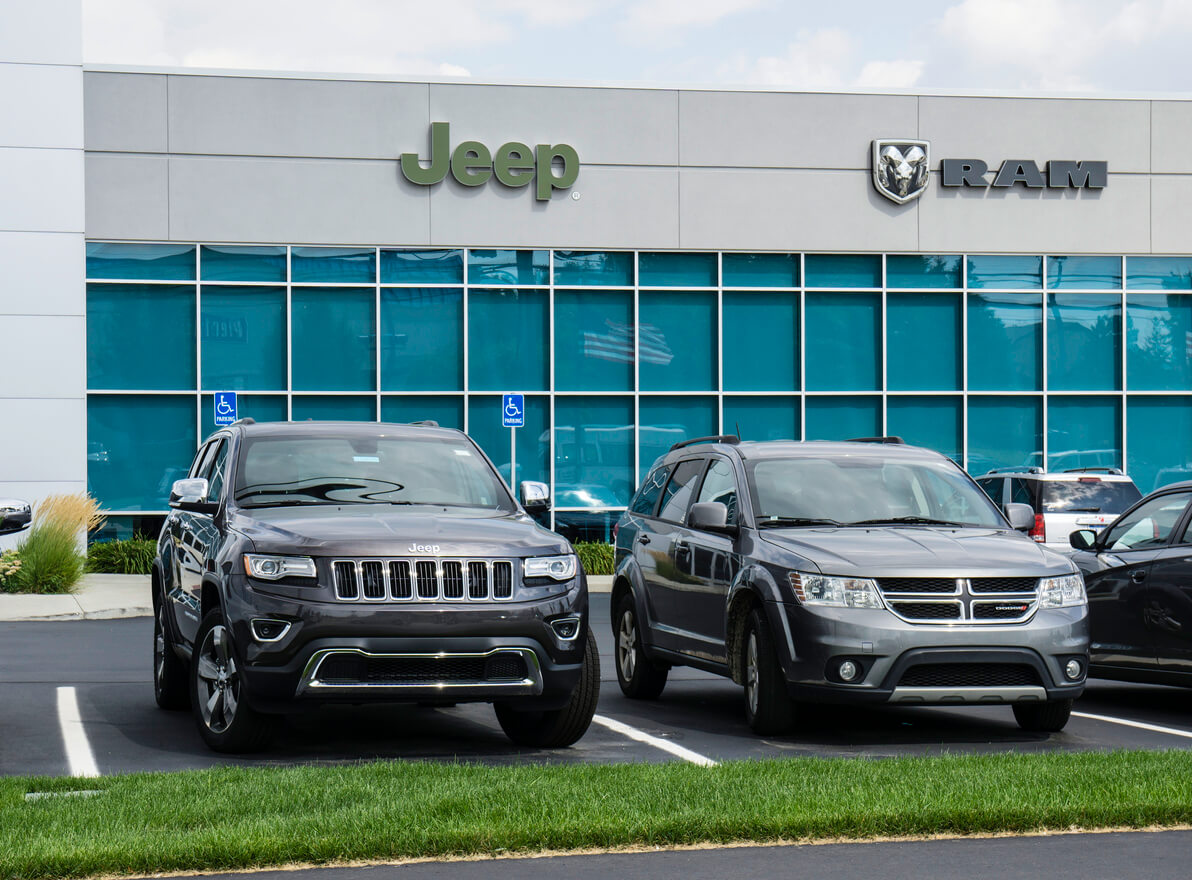
Jeep and Dodge SUVs parked in front of a dealership building.
By: Nicole Halavi

Jeep has now been a part of Chrysler for more than 100 years and offers a line of vehicles consisting solely of sports utility vehicles, including crossovers and fully off-road models. While Jeeps have consistently been in high demand in the auto market, consumers are now complaining of their various Jeep models exhibiting multiple defects. For instance, users complained of a jerky shifting defect in some Jeep models, and more recently, a rollaway risk in Jeep Cherokees has presented a serious cause for concern. Upon investigation, Jeep has recalled more than 82,000 SUVs to address user complaints regarding the rollaway safety danger.

If you are concerned that your Jeep Cherokee has been exhibiting serious defects, CCA is here to help. Feel free to call our experts today for a free consultation: (833) LEMON-FIRM.

What is the Rollaway Danger in Jeep Cherokee Models?

A vehicle rollaway can be hazardous and can also lead to fatal accidents. A rollaway danger occurs when a car’s parking and brake mechanism is of poor quality or is defected. Without an adequate park and brake system in place, the vehicle is at risk of rolling away and putting the driver in a potentially dangerous position.

The rollaway danger in the Jeep Cherokee is allegedly the result of an issue with the power transfer units (PTUs) as “differential input splines and the transmission output shaft may cause some input spline teeth to wear off, which may eventually cause a loss of engagement between the transmission and the differential inside the PTU.”

Over the past few years, users have filed complaints against Chrysler because of the Cherokee’s faulty brake system. Below are some of the common complaints involving the 2014-2017 models exhibiting brake defects:

“Parking brake has multiple issues. The brake squeaks when engaged and disengaged. When the car is auto started the parking brake no longer comes on.” – driver of a 2017 Jeep Cherokee.

“I was lucky. I was in heavy traffic when the brake pedal kicked back, and I had no power brakes. Crashed into curb, tied up traffic for 2 hours until roadside assistance towed the car away. It took them two weeks to get the part. If this had happened an hour earlier, I would have been off the side of a mountain and dead. This is the second time this SUV has nearly gotten me killed.” – driver of a Jeep Cherokee Limited 2.5L V4.

After receiving many complaints alleging defective park functions and motive power, Chrysler began an investigation to further address the defect. According to Chrysler, there haven’t been any reported fatalities or injuries caused by this defect. However, a Jeep owner claimed that the parking brake defect in his vehicle caused a car crash. As per the manufacturer’s report, more than 67,000 vehicles have been affected in the United States, about 13,000 in Canada and 10,000 outside of North America.

Chrysler has also announced a recall of more than 2,000 replacement PTU parts. As per the reports, the recall was expected to begin on July 31st, 2020.

What Can I Do if I’m Worried about the Rollaway Danger on my Jeep Cherokee Model?

If you have been noticing any of the issues discussed above, CCA is equipped with a set of experienced lawyers that are ready to help resolve your lemon law issues and obtain for you the compensation that you deserve. Best of all, our services come at no cost to you – all of our fees are paid by the automakers.

Contact our experts today for a free consultation at (833) LEMON-FIRM.

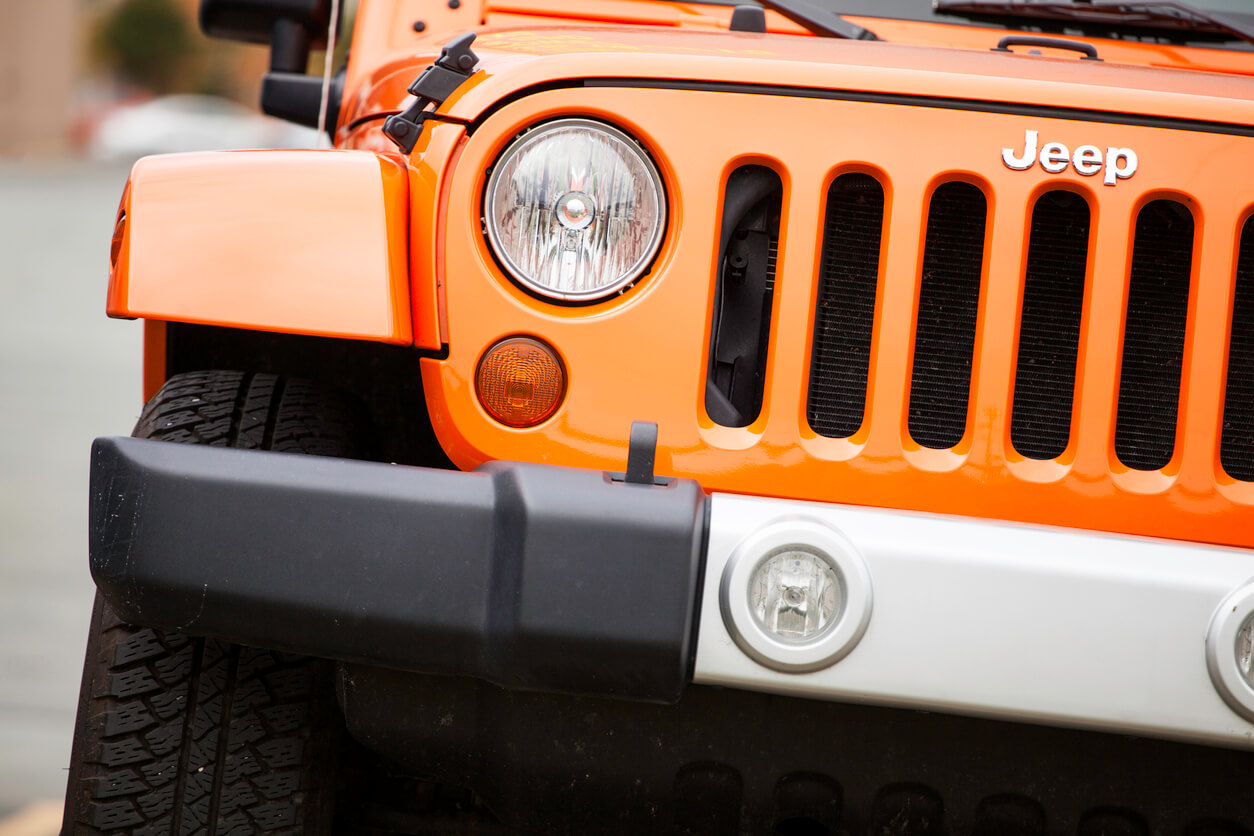
Close-up of orange Jeep Wrangler grille and headlight.

By: Michael H. Rosenstein

Jeep and Dodge vehicles have recently been the subject of a lawsuit involving claims that certain Jeep and Dodge models; more specifically the Jeep Wrangler, Dodge Journey, Dodge Charger and Dodge Avenger suffer from faulty HVAC systems. The suit claims consumers have experienced many problems with their vehicle’s heating, A/C system, and/or defroster, which cannot be corrected by the manufacturer.

If your Dodge or Jeep has exhibited any of the above-mentioned issues, CCA is here to help. We invite you to call our experts today for a free consultation: (833) LEMON-FIRM.

What are Some of the Heating and A/C Problems in the Jeep and Dodge models?

Over the past several years, there have been numerous complaints and investigations regarding a heating defect in some of the Jeep and Dodge models. The allegations have addressed issues surrounding the car’s heating system, defroster, and air conditioning. Attorneys have been investigating to identify if there is a manufacturing defect that has resulted in the heating/cooling problems in the vehicles.

Below is a partial list of the models that have been significantly affected by the defect:

    • Jeep Wrangler
    • Dodge Avenger
    • Dodge Charger
    • Dodge Journey 

Initial investigations allege that during manufacturing/production, the factories failed to flush the casting sand out of the engine resulting in the defects. As a result, there is residual sand trapped in the cooling system, radiator, heater core, and the oil cooler. The lawsuits allege that these underlying defects could be a significant cause of the heating/cooling problems in these models.

A user of the Jeep Wrangler explained their concern, “I was driving home yesterday and my heat light came on and the bell warning started, I was confused. It was just in for service about a month ago for an oil change. I happened to be about 500 feet from a truck stop when it happened, so I turned in and cut the engine off. It was HOT!  I started it and everything from the radiator just gushed out onto the ground.”

Another similar complaint from a Dodge Avenger user, “When taking long trips the A/C buttons stop working a) the system won’t turn off or b) it won’t bring the air to the right position and C) often the heater will act as a fogger and fog up the windows to the invisibility stage and then you have to stop driving until it clears. This has been going on for a long time and took over a year to address and repair. It only helped temporarily and at the time of that service they caused other electrical damage to other parts.”

What Can I Do if My Jeep or Dodge is Experiencing Heating/Cooling Issues?

If you are facing any trouble with the heating/cooling system in your Dodge or Jeep vehicle, the attorneys at CCA are here to protect you and your vehicle. Our attorneys are experts in handling such cases and are very knowledgeable about the issues affecting your vehicle. Best of all – we will never send you a bill! All of our legal fees are paid for by the manufacturer. 

If you have suffered through repeat issues with your Jeep or Dodge vehicle, do not hesitate to contact our experts for a free consultation at: (833) LEMON-FIRM.

Orange Jeep logo on a white background.

Jeep is a iconic American automobile brand and a subsidiary of the Italian/American corporation, Fiat Chrysler. Jeep’s line consists solely of high-end sports utility vehicles, including both crossovers as well as off-road SUVs. The Jeep Wrangler is a series of mid-size, four-wheel-drive SUVs, that has been extremely popular for decades.  However, in 2020, a class-action lawsuit revealed certain safety issues relating to vehicle rollovers with the Wrangler, which led to an overall downgrade of the vehicle’s safety rating.  Attorneys are now investigating the concerns raised by Wrangler users.

If your Jeep Wrangler has exhibited warranty issues or rollovers that have not been corrected by the manufacturer, CCA is here to help. We invite you to call our experts today for a free consultation: (833) LEMON-FIRM.

What is the Jeep Wrangler Rollover Risk?

Earlier this year, users of Jeep Wrangler 2019 and 2020 models had expressed their concerns regarding the vehicle’s safety in a class-action suit. An investigation of these models was instigated by a failed front-end crash test conducted in May 2020. The test revealed a serious risk of injury and fatality in the event of a rollover. According to the Insurance Institute for Highway Safety’s (IIHS) safety test, the vehicle had tipped over during a safety test, which is particularly dangerous because this model has removable roof and doors. In an even more dangerous situation, passengers may be ejected from the vehicle, which can have fatal results.

Making matters worse, certain 2019-2020 Wrangler models also lack side-curtain airbags that minimize the impact of a rollover. According to the IIHS, “The partial rollover presents an additional injury risk beyond what the standard criteria are intended to measure in small overlap frontal crash tests, A vehicle tipping onto its side is not an acceptable outcome for a frontal crash and, as a result, the Wrangler’s overall rating was downgraded to marginal.”

What Can I do if I Own a Problematic Jeep Wrangler Model?

If you have suffered through numerous or unresolved issues with your vehicle, we are here to help. CAA is equipped with experienced lawyers that are ready to help you find a quick and painless solution to your vehicle issues. We are experts in helping consumers solve their lemon law issues and – best of all – our fees are solely paid by the automakers. 

If your Jeep Wrangler has disappointed you with repeated defects, we invite you to call our experts today for a free consultation at (833) LEMON-FIRM.

Parked yellow and black Jeep Wranglers

By: Sepehr Daghighian, Esq.

Jeep is a popular brand of American automobile, an owned subsidiary of the Italian-American automobile corporation, Fiat Chrysler. While Jeeps have been wildly popular for a number of years, Jeep owners have also struggled with troublesome transmission issues for years.  In particular, Jeep customers complain of jerky shifts, shift hesitation, lagging shifts, noisy shifts, and other troublesome issues.  What is worse, Fiat Chrysler has oftentimes been unable to correct the shifting problems. 

If your Jeep model has had shifting issues, CCA is here to help. We invite you to call our experts today for a free consultation: (833) LEMON-FIRM.

What Are Some Common Shift issues in Jeep Vehicles?

Over the past five years, Jeep has faced numerous complaints against improper and jerky shifts. Customers across different models of Jeep have been facing similar issues. Most of the claims raise concerns regarding broken and slippery gear shifts, sudden stops, and loud noises.

The most common problem raised against jeep vehicles were regarding rough and slippery gear shifts. According to customers, at times, the vehicles do not shift out of first/second gears, and this issue occurs frequently. This can be a hazardous situation and can lead to unfortunate accidents. A user of Grand Cherokee Outlander described the problem as, “I have owned the vehicle for just over one year. During this time, on 6 – 8 occasions, the transmission is either slipping or not shifting properly. On acceleration, occasionally, the transmission will not shift past 2nd gear causing the vehicle to rev extremely high, and it will not accelerate. You either need to shift into N or stop the vehicle completely, put into park, and start the process again.”

Another similar version of this problem is, at times, the vehicle suddenly shifts from a high gear to either first or second gear, which causes deafening revving sounds. This can be extremely dangerous, especially when you’re in traffic. A user described the issue as, “Recently we were accelerating and already in a higher gear and then all of a sudden the transmission shifts back to 1st or 2nd gear and starts revving very loudly. The only way to rectify the problem was to slow the vehicle and shift into park and start again. When this happens, it is startling, and depending on what traffic you are in, it can be very dangerous.”

These users have also been upset as they haven’t received much help from the dealers, “I took it to the dealer today, and they said they have never heard of such problems and nothing has turned up to be a problem. I want to solve it before someone gets hurt and my warranty period is over. Not sure what to do.”

Unfortunately, Jeep dealerships are oftentimes unable to satisfactorily correct the transmission issues.  Jeep customers are often told that the dealership cannot duplicate their concerns or that the harsh shifts are a normal characteristic of the vehicle’s transmission.  In other cases, the dealership attempts to reprogram the transmission’s computer; but the issues don’t go away.

Here is a partial list of the recent models that are known to have Jerky shift issues:

  • 2013-2020 Jeep Grand Cherokee;
  • 2013-2020 Jeep Compass;
  • 2013-2020 Jeep Wrangler;
  • 2013-2020 Jeep Renegade;
  • 2013-2020 Jeep Patriot; and
  • Other Jeep models;

What Can I Do if My Jeep Model is Facing Shift Issues?

Have you been noticing annoying gear shift issues with your Jeep vehicle, such as sudden stops, rough and slippery gears, loud noises, or others? CAA’s set of experienced lawyers are here to guide you to a feasible solution. Our lawyers are well versed in issues plaguing all Jeep models. Feel free to reach out to us for a hassle-free consultation regarding your vehicle. 

Contact our experts for a free consultation at (833) LEMON-FIRM.

Close-up of a Jeep tire on a paved surface. (duplicate of #3)

By Lauren C. Martin, Esq.

For years, CCA attorneys have heard complaints from concerned California consumers regarding Jeep Cherokee and Jeep Grand Cherokee’s engine stalls and shut-downs. According to the National Highway Transportation Safety Administration (“NHTSA”), even 2019 Jeep Cherokees have been subject to numerous recalls and service bulletins regarding engine stalls and engine shut-downs.  Consumers have complained extensively to Jeep, NHTSA, and to attorneys like us about the dangerous defects in these vehicles.  

To illustrate a few, Fiat Chrysler Automotive (“FCA”), the manufacturer of Jeep Cherokee and Jeep Grand Cherokee models, has 15 recalls associated with their 2014 Jeep Grand Cherokee. Three of those recalls are related to potential engine stalling. First, in October of 2014, FCA issued a recall relating to the alternator failing. According to FCA, “if the alternator fails, the vehicle may stall without warning, increasing the risk of a crash.” This recall also applies to their 2011-2014 Dodge Challenger, Charger, Durango, and Chrysler 300 vehicles, as well as all 2012-2014 Jeep Grand Cherokees. FCA’s remedy was to replace the alternator.

Again – in July 2017, FCA issued a recall addressing a very similar concern. However, FCA’s description expanded to include, “There is also the possibility that the alternator may short circuit, increasing the risk of a fire.” This recall also applies to their 2011-2014 Dodge Challenger, Charger, Durango, and Chrysler 300 vehicles, as well as all 2012-2014 Jeep Grand Cherokees. FCA’s remedy at this point was to inspect the alternator and replace it, if necessary.  Yet again – in November 2017, FCA issued a recall addressing the same concern. This recall also applies to their 2014 Dodge Challenger, Charger, Durango, Chrysler 300, and Jeep Grand Cherokee vehicles. Similar to their 2014 remedy, FCA’s fix in 2017 was to replace the alternator again.

Not only did the problems persist throughout the 2011-2014 model year (“MY”) Jeep Cherokee and Jeep Grand Cherokee vehicles, they have persisted and are still concerns for the purchasers of FCA’s later models, including their 2019 MY Jeep Cherokee and Jeep Grand Cherokee vehicles.

FCA’s 2019 MY Jeep Cherokee and Jeep Grand Cherokee already have 9 reported recalls available via NHTSA. Four of those recalls are related to potential engine stalling or shut-downs. First, in May of 2018, FCA issued a recall relating to cylinder damage or camshaft failure which “can cause the engine to stall, increasing the risk of a crash.” FCA’s remedy is to inspect and repair/replace affected engine parts.  Just two months later, in July of 2018, FCA issued a recall relating to loss of drive from an incomplete transmission weld, which “if the transmission weld fails, the vehicle will stop moving, increasing the risk of a crash.” FCA’s remedy for this would be to replace the entire transmission.

A month later, in August 2018, FCA issued a recall regarding the voltage regulator failing on the circuit board, thereby causing a stall or no-start condition. The remedy for this would be a replacement of the vehicle’s powertrain control module (“PCM”).  Two months later, in October 2018, FCA issued a recall regarding an incorrect transmission calibration which may result in yet another condition of the vehicle stalling. FCA’s remedy would be to re-flash the transmission controller.

Sadly, the issues presented by these vehicles go beyond just an annoying inconvenience – they also pose a serious safety risk to drivers.  For instance, the owner of a 2019 Jeep Cherokee with only 3,000 miles on it described the issues as follows: “multiple times engine has completely shutdown. Worst part is two times this happened in traffic, near miss accidents. This mostly happens in morning hours when i apply brake at traffic signals or when i take left/right turn, battery alert pops out on screen and engine shutdown, then I need to press alert/emergency button which flashes all indicators and # alert the world that my Jeep has screwed up again.”  

Stalling, no-start, and shut-down conditions are ongoing concerns for Jeep Cherokee and Jeep Grand Cherokee owners. CCA attorneys possess the knowledge and experience in handling claims arising from issues with FCA’s Jeep Cherokee and Jeep Grand Cherokee issues, including those relating to engine stalls and shut-downs. If you’ve experienced any of these issues, or your vehicle continues to exhibit these issues, please call CCA for a free consultation: (833) LEMON-FIRM.

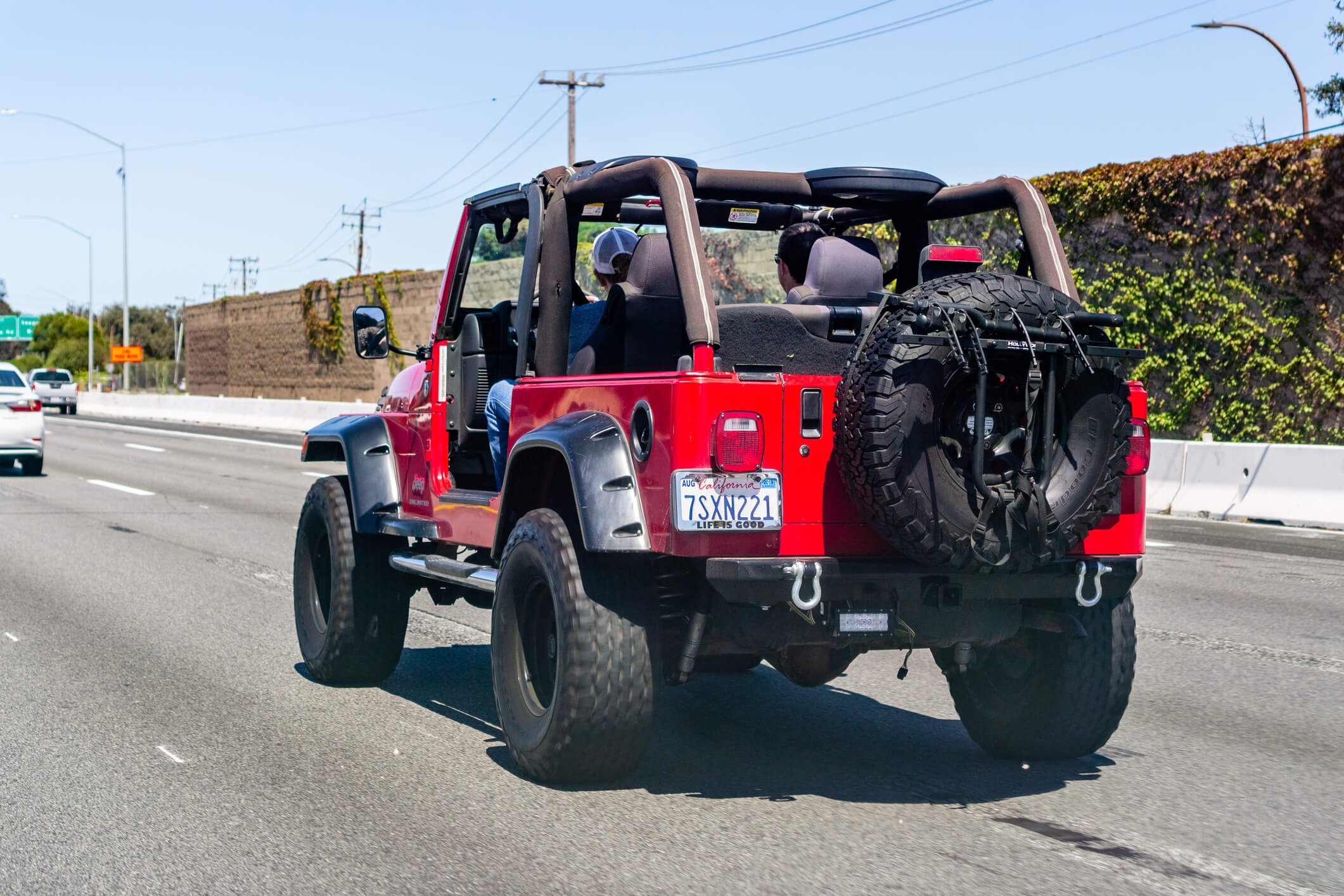
Red Jeep Wrangler driving on the highway with the top down.

By Sepehr Daghighian

For years, CCA’s attorneys have heard complaints by Dodge, Ram, and Jeep customers about a disturbing suspension defect ominously dubbed the “Death Wobble.”  While FCA US LLC (Dodge, Ram, and Jeep’s parent company) has attempted to address many of the customer concerns through a series of recalls and service bulletins, unfortunately for many FCA customers, this dangerous and terrifying defect remains unresolved.  As recently as September of 2019, the National Highway Transportation Safety Administration (“NHTSA”) was reportedly investigating suspension defects in Jeep Wranglers, which result in the dreaded Death Wobble defects.  

What is a Death Wobble?

The Death Wobble has been described as a mechanical defect that exists in the front end of vehicles, which results in a violent shaking or wobble that makes the vehicle hard to control.  Drivers complain that at certain speeds or when the vehicle hits a bump in the road, the vehicle will suddenly start violently shaking or wobbling uncontrollably. Death Wobble typically occurs at speeds above 45 mph and in most cases requires a trigger like hitting a bump or a pothole. Drivers describe the condition as terrifying and a feeling as if the vehicle is out of control or falling apart.  

With Death Wobble, drivers describe that it becomes extremely difficult to control the vehicle and that the only way to get it to stop is by slowing down. 

What Causes Death Wobble defects?

Death Wobble is caused by loose, damaged, misaligned, or incorrectly designed steering parts, which begin to violently oscillate under certain conditions.  Automotive engineers typically design vehicles with damping mechanisms that avoid harmonic oscillations. However, in certain vehicles and under certain conditions, violent oscillations are creating, resulting in the notorious Death Wobble.  

Which FCA Vehicles Suffer from the Death Wobble? 

Death Wobble has been reported in numerous FCA vehicles over the years. Most recently, the Death Wobble in 2015-2018 Jeep Wranglers have been the subject of increased scrutiny from media outlets and government agencies investigating FCA’s vehicles. On NHTSA’s website alone, the 2018 Jeep Wrangler features over 750 complaints by consumers for suspension issues. However, FCA’s difficulties with the Death Wobble didn’t begin in 2019 and didn’t begin with the Jeep Wrangler.  Ram trucks dating back to 2003 suffered similar Death Wobble complaints, repairs, and recalls. In fact, in 2015, FCA agreed to pay NHTSA a $105-million fine (then, the largest fine ever from NHTSA), submit to three years of oversight of recalls, buy back half-a-million vehicles and offer financial incentives for repair of 1 million vehicles. In 2015, FCA admitted that it failed to timely notify its customers and timely fix its vehicles that suffered from a serious suspension defect. While numerous years makes and models of Ram 1500, 2500, and 3500 trucks suffered from suspension defects, NHTSA found that FCA did not act with sufficient urgency and diligence in remedying its customers’ defects.  

Death Wobble in Dodge Ram Trucks

FCA’s recalls relating to suspension difficulties date back to its 2003 trucks.  In February of 2009, FCA issued Recall H36, which addressed a defect in 2008-2009 Dodge Truck’s steering drag link inner joint, which could fracture under certain driving conditions. FCA’s recall admitted that the fracture could result in a loss of steering control and cause a crash without warning.  The problems didn’t end there.  

In May 2009, the recall was revised and expanded to include more vehicles, including the following:

  • 2003-2004 (DR) Dodge Truck 4×4 (2500/3500 series)
  • 2005 (DH) Dodge Truck 4×4 (2500/3500 series)
  • 2006-2009 (DH) Dodge Truck 4×4 (2500/3500 series or 1500 Mega Cab)
  • 2006-2009 (D1) Dodge Truck 4×4 (3500 series)
  • 2007-2009 (DC) Dodge Truck (3500 series cab chassis)

The problems didn’t end there. In December 2013, FCA issued recalls N62 and N49, which attempted to address suspension concerns on the following trucks:

  • 2008 (DH) Dodge RAM Truck (1500 series 4×4 Mega Cab)
  • 2008 – 2009 (DH) Dodge RAM Truck (2500 / 3500 series 4×4)
  • 2008 – 2009 (D1) Dodge RAM Truck (3500 series 4×4)
  • 2010 – 2012 (D2) Dodge RAM Truck (3500 series 4×4)
  • 2010 – 2012 (DJ) Dodge RAM Truck (2500 series 4×4)
  • 2008 – 2010 (DC) Dodge RAM Truck (3500 Cab Chassis)
  • 2011 – 2012 (DD) Dodge RAM Truck (3500 Cab Chassis)
  • 2003 – 2004 (DR) Dodge RAM Truck (2500 & 3500 series 4×4)
  • 2006 – 2008 (DH) Dodge RAM Truck (1500 series 4×4 Mega Cab)
  • 2005 – 2008 (DH) Dodge RAM Truck (2500 series 4×4)
  • 2005 (DH) Dodge RAM Truck (3500 series 4×4)
  • 2006 – 2008 (D1) Dodge RAM Truck (3500 series 4×4)
  • 2007 – 2008 (DC) Dodge RAM Truck (3500 Cab Chassis)

As mentioned above, in 2015, NHTSA found that FCA did not act with sufficient diligence in addressing customers’ dangerous suspension issues.  Therefore, FCA was fined in excess of $105-million as a result of its failures. However, FCA’s problems with the Death Wobble didn’t end there.  

Death Wobble in Jeep Wranglers

More recently, Jeep owners have complained extensively of suspension problems arising from their 2015-2018 Jeep Wranglers.  Jeep owners, for example, have complained, “On the highway when I hit bridge seams or bumps the Jeep goes into a shaking pattern that makes it near to impossible to steer. You have to hit the brakes and slow down to about 40 MPH to get it to stop. Extremely dangerous and I fear the next bump will be the one to kill me.”  Another Jeep owner described the Death Wobble as, “The car shakes uncontrollably when driving on the highway and after hitting a bump or imperfection in the road. I have had the problem fixed once before a few months ago.” Also, Jeep owners have complained that Jeep’s repair efforts are ineffective: “The jeep shakes uncontrollably at freeway speeds… This is my 3rd time taking the Jeep in for the same death wobble that FCA can’t seem to fix or doesn’t want to fix [it]. [Jeep has] already replaced my steering stabilizer 4 times which obviously does not fix the problem.”   

CCA’s attorneys possess extensive experience in handling lemon law cases arising from suspension issues, including the FCA Death Wobble.  If your truck has terrified you with its Death Wobble, has spent too much time in the shop, or remains unfixed, we invite you to call our experts for a free consultation: (833) LEMON-FIRM.

A driver's hands are on the steering wheel of a Dodge vehicle, with a

By Sepehr Daghighian

Owners of Dodge Dart have complained for years of shifting issues arising from their vehicles’ defective transmission components. For instance, drivers complain that their gear selectors lock up, they are unable to shift in and out of gear, their vehicles spontaneously drop into neutral, their transmission makes strange grinding noises when shifting, their transmission jerks when shifting, or (in some cases) the transmission completely dies. Frustratingly for many consumers, Dodge has been addressing their customers concerns by oftentimes installing the same defective parts back into the vehicles, thus, effectively kicking the proverbial can down the road.  

CCA’s expert lemon law attorney has advocated for Dodge Dart owners and obtained exceptionally favorable settlements from FCA (Dodge’s parent company) for clients that have suffered through frustrating repeat repairs to their transmissions. California’s strong lemon law, the Song-Beverly Act, provides that manufacturers must repurchase or replace vehicles when they are unable to fix them after a reasonable number of repair attempts. CCA has observed that, oftentimes, customers take in their FCA vehicles for repair of transmission concerns over-and-over again, to no avail. FCA’s dealerships oftentimes apply “band-aid” repairs, which don’t correct the condition or send the customer home because they could not detect a problem. Fortunately for our clients, our lawyers possess the legal and technical acumen to obtain speedy and exceptionally favorable results when the manufacturer is unable to repair their vehicles.  

In April of 2019, FCA announced that it was recalling every automatic transmission Dart in the U.S. to address problems with the transmission shifter cable.  Dodge recalled a total of 298,439 of the 2013-2016 Dodge Darts because of defects in the 6-speed transmission shifter cable. According to documents filed with NHTSA by Dodge, “The shifter cable bushing on the transmission end of the shifter cable could deteriorate and become detached from the transmission which could result in the inability of the driver to actually shift the transmission, even though the driver may move the shifter handle.” Dodge admits that the defect can be dangerous, stating: “If the shifter cable becomes detached from the transmission, the vehicle may not perform the shifts intended by the driver… In addition, if the driver’s door is opened while the transmission is not in PARK, the vehicle not in PARK and door ajar messages will display on the instrument cluster and audible chimes will sound. If these warnings are not heeded, unintended vehicle movement and vehicle crash can occur.”  

Transmission issues are oftentimes the most frustrating of vehicle problems. They are frustrating and dangerous for drivers and, oftentimes, difficult for technicians to repair, resulting in a cycle of warranty presentations without repair. Fortunately, CCA’s attorneys are experts in California’s Lemon Law and can apply our State’s strong consumer protections to resolve our client’s vehicle issues. For a free consultation with a lemon law expert, please call us today: (833) LEMON-FIRM.