After Mercedes-Benz disputed coverage, a federal judge confirmed loaner vehicles qualify under California’s lemon law, prompting a $33,750 settlement on the eve of trial.

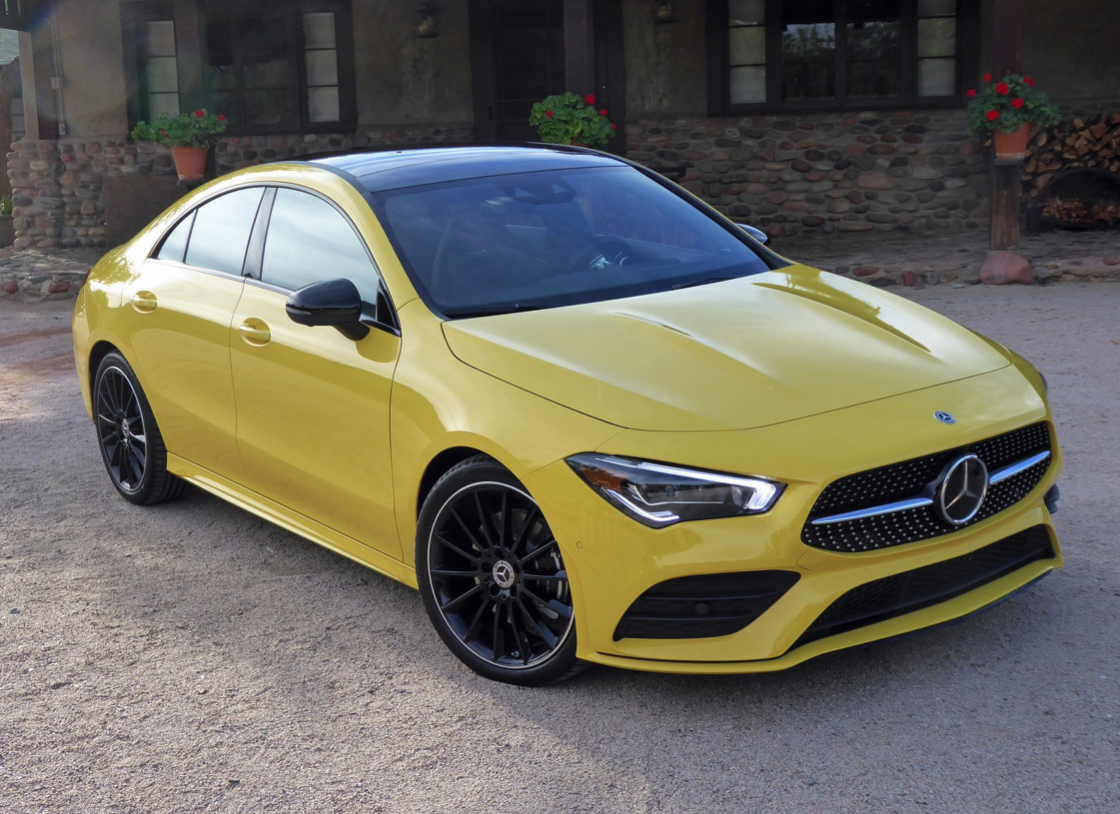
Los Angeles, California (Law Firm Newswire) – CCA’s settlement of the month is Laura Sam Samarneh versus Mercedes-Benz USA LLC, which settled for a significant amount after years of hard-fought litigation against Mercedes-Benz USA LLC. Ms. Samarneh hired CCA in May 2023 because the 2019 Mercedes-Benz A220 that she had purchased from Mercedes-Benz of Valencia, California, turned out to be a lemon.

She initially leased the dealership loaner vehicle with only 4,320 miles, and it started giving her issues less than a month into her lease. Within the first year of ownership alone, she took it to the dealership twice for electrical issues with the interior trim and safety recalls. Shortly thereafter, she returned to the dealership an additional three times for more safety recalls, interior and trim issues, and other problems that Mercedes-Benz was unable to cover under warranty. By any reasonable standard, Ms. Samarneh’s Mercedes was a lemon.  But Mercedes refused to buy it back.  

The Plaintiff initiated contact with Mercedes in May 2023 and tried to get them to do the right thing and voluntarily re-purchase her vehicle.  When Mercedes refused, she had no choice but to hire CCA to secure her justice. The case was filed in the United States District Court for the Eastern District of California in June 2023. 

Mercedes-Benz litigated the case strenuously and fought all the way to the eve of trial, arguing that because she had purchased a loaner vehicle, it was not covered under the lemon law. Senior District Judge Jane Mueller heard our motion and ruled that, in fact, Miss Samarneh’s loaner car was covered by the lemon law. Therefore, we continued to prepare the case for trial. 

Subsequently, on the eve of trial, Mercedes-Benz finally capitulated and offered Miss Samarneh a significant settlement – paying her double what she spent on her lease: $33,750. Of course, Mercedes also paid CCA’s fees and costs. 

Our clients were very pleased with this outcome, and the firm once again proved to be a champion of consumer justice in the great state of California. If you need assistance with your lemon law case, please do not hesitate to call California Consumer Attorneys PC we’d love to help you out.

About California Consumer Attorneys, P.C.

CCA – TheLemonFirm.com is California’s premier consumer law practice representing clients throughout the state of California, including Los Angeles and Orange, Riverside, San Bernardino, and Ventura Counties. We hold automakers accountable when they are unable to repair your vehicle or stand behind their promises of selling quality products.

History Behind the Recalls

Two major automakers, Ford Motor Company and Daimler Vans USA (Mercedes-Benz), have issued new safety recalls filed with the National Highway Traffic Safety Administration (NHTSA), impacting commercial and heavy-duty vehicles.

Ford’s recall targets over 115,000 Super Duty trucks over a steering column defect that could result in a loss of steering control, while Mercedes-Benz has recalled four 2024 Sprinter vans for potential structural integrity concerns linked to missing frame reinforcements.

Ford Super Duty Recall: Steering Shaft Separation Risk

Under NHTSA Campaign Number 25V626000, Ford is recalling 2020–2021 F-250, F-350, and F-450 Super Duty trucks built between February 19, 2019, and September 30, 2020.

According to the report, affected vehicles contain a steering column upper shaft that may separate, caused by a defective “hard slider” that fails to meet anti-pull-apart load standards. A separation could lead to a sudden loss of steering, drastically increasing the risk of a crash.

There are currently no dashboard warnings or alerts to indicate the issue. Ford dealers will inspect and repair or replace the steering shaft free of charge. Owners will begin receiving notification letters in October 2025, with full remedy letters expected by December 2025. For more details, call Ford customer service at 1-866-436-7332 and reference recall number 25S94.

Mercedes-Benz Sprinter Recall: Frame Reinforcement Defect

Filed under NHTSA Campaign Number 25V609000, Mercedes-Benz is recalling a small batch of 2024 Sprinter 2500 and 3500 vans built between September 26–27, 2023.

Due to a supplier production deviation, certain longitudinal frame members were built without the required reinforcements, potentially weakening the vehicle’s crash structure in a frontal collision and raising the risk of injury.

Dealers will inspect and rework the frame members if necessary, with notifications to begin by November 21, 2025. For assistance, contact Mercedes-Benz customer service or check VIN status at NHTSA.gov.

How Vehicle Owners Can Take Back Control

While these recalls have been communicated to owners, many continue to be unhappy with the solutions provided by automakers. These problems have the potential to escalate into further action, underlining the importance of protecting consumer rights.

If you struggle with vehicle troubles and feel cornered against big vehicle brands, remember it is always better to have experts with you. With extensive experience and successful cases at hand, The Lemon Firm is your best bet. With dedicated team members always at your disposal, the package becomes too good to be true. So, if your car is giving you a headache, don’t hesitate to reach out!

Call 833 Lemon Firm and speak with a case analyst today!

Mercedes-Benz has long stood for high performance, refined engineering, and luxury. When you invest in a vehicle like this, you expect a smooth ride, not a series of headaches. Unfortunately, even premium brands can fall short. From electrical issues to serious mechanical failures, some Mercedes models leave drivers frustrated and out of options.

If your vehicle has spent more time at the dealership than on the road, you may have a lemon. The good news? California law offers strong protection for owners like you. At The Lemon Firm, we help Mercedes-Benz drivers understand their rights and hold automakers accountable.

Common Issues with Mercedes-Benz Vehicles

While many Mercedes-Benz models perform as promised, we’ve seen recurring complaints across several years and lines. Some of the most frequent problems include:

  • Electrical failures that drain the battery or affect the dashboard
  • Faulty transmissions causing rough shifting or unexpected jerking
  • Engine stalling or excessive oil use
  • Brake problems or persistent warning lights
  • Malfunctioning sensors affecting parking or collision detection systems

When these issues keep returning, even after multiple trips to the service center, it’s not just inconvenient. It may qualify your vehicle as a lemon under California law.

What the California Lemon Law Covers for Mercedes Owners

California’s lemon law applies to new, leased, and even some certified pre-owned vehicles that are still under the manufacturer’s warranty. If your Mercedes has a defect that affects its use, value, or safety, and the dealership can’t fix it after a reasonable number of attempts, the law may require the manufacturer to make it right.

Here’s what typically qualifies:

  • Repeated repairs for the same issue. Usually two or more attempts for a serious safety defect, or four or more attempts for other problems.
  • Extended time in the shop. If your car has been out of service for more than 30 total days for warranty repairs, that may be enough.
  • Problems that started under warranty. Even if you’re just now filing a claim, the issue must have occurred while the car was still covered.

The lemon law doesn’t cover every inconvenience, but if your Mercedes has ongoing issues that the dealership hasn’t resolved, you may have a case.

What You’re Entitled to If Your Mercedes Is a Lemon

If your car qualifies under California’s lemon law, you may be entitled to:

  • A buyback, where the manufacturer refunds your down payment, monthly payments, taxes, and registration fees
  • A replacement vehicle of similar value and model
  • Cash compensation if you choose to keep the vehicle or if the problem doesn’t fully qualify for a buyback

You may also be reimbursed for out-of-pocket expenses, such as rental car fees, towing charges, and repair-related costs. The manufacturer may also be responsible for your attorney’s fees, which means you typically pay nothing out of pocket to bring a claim.

How We Help You Through the Process

At The Lemon Firm, we handle lemon law claims every day. We know what automakers look for and how to present your case. Once we take your case, we’ll manage everything from collecting your records to negotiating directly with the manufacturer. You won’t have to argue with the dealership or file paperwork alone.

You won’t pay us out of pocket. Under California’s lemon law, the manufacturer is required to cover your legal fees if your claim is successful. That means we can take your case at no cost to you and focus on getting you back on the road with as little stress as possible.

Don’t Let Your Luxury Car Become a Burden

You chose a Mercedes-Benz for its reputation and performance. You shouldn’t have to settle for less. If your vehicle continues to have problems and the dealership can’t fix them, you may be entitled to compensation or a replacement.

Let us help you get what you’re owed. Contact The Lemon Firm today for a free consultation, and let us take it from there.

Mercedes-Benz has announced a safety recall affecting 94 vehicles in the U.S., including its high-end electric and plug-in hybrid models, due to a potential software issue that prevents federally required reverse warning sounds from playing consistently.

History Behind the Recall

The recall affects select 2023–2025 Mercedes-Benz and Mercedes-Maybach vehicles equipped with electric or plug-in hybrid powertrains. According to Mercedes, the affected models may fail to emit a consistent auditory alert when reversing. An important safety requirement under federal law to protect pedestrians and nearby drivers from otherwise silent electric vehicles.

Though the vehicles do produce some sound when backing up, Mercedes says the tone may vary within the same model year, and in some cases, may not meet regulatory standards. The automaker identified the issue during routine testing and traced it to inconsistent software calibration in the reverse alert system. The fix involves a dealer visit and a software update.

Which Vehicles Are Affected

The recall includes certain units of the following models:

  • 2025 Mercedes-AMG EQE sedan
  • 2023–2024 Mercedes-Benz EQE sedan
  • 2023–2025 Mercedes-Benz EQE SUV
  • 2023–2024 Mercedes-Benz EQS sedan
  • 2023–2025 Mercedes-Benz EQS SUV
  • 2024–2025 Mercedes-Maybach EQS SUV
  • 2025 Mercedes-Benz S-Class (plug-in hybrid)

What Owners Need to Do Next

Owners of affected vehicles will be notified by mail and should schedule a service appointment at their local dealership. The issue can be resolved with a free software update, typically completed in a short visit. Mercedes has not reported any accidents or injuries related to this recall.

Drivers can check their recall status using their vehicle’s VIN through the NHTSA recall lookup tool or the official Mercedes-Benz recall center.

How Mercedes Owners Can Take Back Control

While this recall has been communicated to owners, many continue to be unhappy with the solutions provided by automakers. These problems have the potential to escalate into further action, underlining the importance of protecting consumer rights.


If you struggle with vehicle troubles and feel cornered against big vehicle brands, remember it is always better to have experts with you. With extensive experience and successful cases at hand, The Lemon Firm is your best bet. With dedicated team members always at your disposal, the package becomes too good to be true. So, if your car is giving you a headache, don’t hesitate to reach out!

Call 833 Lemon Firm and speak with a case analyst today!

Mercedes vehicles spanning five model years are subject to three different recall issues all affecting drivability and safety.

History of the Recall

Initiating a host of recalls, Mercedes has announced various defects from poor welding issues, faulty fuses, and issues with transmission gear changes.

Firstly, the most prominent issue affects over 100,000 vehicles and involves the transmission. Reportedly, engines may stall when shifting between sixth and seventh gear. 

Secondly, 32,000 vehicles are subject to faulty fuses which can switch off systems without warning. This could lead to an increased risk of fire or crashing.

Finally, the 466 2024 model year vehicles have issues with the spot weld located on the accelerator pedal. This may lead to the detachment of the pedal bracket and may cause the accelerator to be stuck in a slightly open position and may completely block the brake pedal. Both instances could cause a crash and risk driving safety.

Which Models Are Affected?

The transmission fault affects both the GLE 450 and GLS 450 SUVs in the Mercedes lineup across the 2020-2023 model years. Secondly, the fuse issue affects the 2023-2024 C-Class, E-Class, S-Class, SL, CLE, GLC, EQE, EQE SUV, EQS, and EQS SUV vehicles. The faulty weld on the accelerator pedal affected 199 GLE350, 96 GLE450, 7 AMG GLE53, and 164 AMG GLE53 Coupe models.

Mercedes has issued fixes for all three recalls:

  1. Transmission Glitch – Dealers are instructed to update the transmission control unit software.
  2. Fuse Failure – The main fuse boxes will be replaced by the dealer.
  3. Faulty Spot Weld – Instead of re-welding, dealers are instructed to fix the bracket with rivets.

What Owners Need to Do Next

From February 23, dealers have been notified of the necessary steps to fix the three recalls issued by Mercedes-Benz. Owners will be notified separately by April 16 where they will be instructed to take their affected vehicle in for repair.

These three recalls affect over 137,000 Mercedes Benz vehicles and there has been no comment or reports of injuries so far as the manufacturer fails to disclose the information.

How Consumers Can Take Back Control

This latest announcement from Mercedes involves three major recalls. One of which is a safety critical component affecting the accelerator pedal and brake ability. Fuse issues and transmission glitches could also pose a significant safety risk. Whilst the recalls aim to prevent issues, many owners continue to be unhappy with the solutions provided by automakers. These problems have the potential to escalate into further legal action, just like this – underlining the importance of protecting consumer rights.

If you struggle with vehicle troubles and feel cornered against big vehicle brands, remember it is always better to have experts with you. With extensive experience and successful cases at hand, The Lemon Firm is your best bet. With the dedicated team members always at your disposal, the package becomes too good to be true. So, if your car is giving you a headache, don’t hesitate to reach out! 

Call 833 Lemon Firm and speak with a case analyst today!

Mercedes-Benz has initiated a recall on over 42K cars because the rear brake pad wear monitoring device is missing. It was done in response to safety standards that demand precision and has been prompted by the National Highway Traffic Safety Administration (NHTSA). The recall marks a major manufacturing issue, potentially risking the safety of Mercedes-Benz owners affected by it. To understand the impacts of the recall, owners must have a deep insight into the issue. Let’s explore it in detail.

Inside the Recall

The issue was flagged by the NHTSA. The missing inspection gauge and the lack of instructions in the owner’s manual break safety rules. This means the models from 2019 to 2021 do not have a system to monitor the brake pad’s working. The recall aims to rectify these issues and ensure compliance with safety standards for affected vehicle owners. Here is the list of affected models:

  • 2019-2020 A220
  • 2020 AMG A35
  • 2020 AMG CLA45
  • 2020 AMG CLA35
  • 2020 CLA250
  • 2020 GLB250
  • 2021 GLA250

Mercedes Benz Oversight

This problem leads to noncompliance with federal motor vehicle safety standard number 135, which deals with “Light vehicle brake systems.” Mercedes Benz has acknowledged the issue and is taking measures to address the defect and the insufficient manual instructions. However, it is essential to note that handling the legal implications of such recalls can be complicated, especially when it comes to individual rights and potential compensations. Affected owners must understand these complexities to make informed decisions.

Impact on Owners

Here are the impacts of the recall on affected owners:

  • Safety Concerns: Lack of accurate brake pad wear assessment may pose safety risks.
  • Performance Issues: Compromised brake monitoring could affect vehicle performance.
  • Uncertainty: Owners may face uncertainty regarding their vehicle’s safety.
  • Maintenance Challenges: Difficulty in assessing brake pad condition for timely maintenance.
  • Potential Safety Hazards: Increased risk of accidents due to undetected worn brake pads.

Sign and Solution

If you hear those grinding noises when hitting the brakes or notice your ride taking longer to stop, it might signal a brake pad wear issue. It is connected with authorized dealerships or service centers to install the required monitoring equipment to resolve the issue. Staying informed about the rectification process through official communications from Mercedes Benz is crucial to address the concern.

To begin the legal process for impacted Mercedes-Benz vehicles, it is essential to meticulously document any incidents or observations related to the issue. This documentation serves as the foundational evidence for any potential legal proceedings. Seeking legal consultation is the next crucial step.

Road Map to Legal Resolution

Mercedes-Benz owners should promptly engage with legal professionals specializing in automotive law or consumer rights. Legal experts offer invaluable insights into individual rights, compensation avenues, and further actions for a legal resolution.

If you experience a similar issue in your Mercedes, please don’t hesitate to reach out for help. At the Lemon Firm, our experienced attorneys have successfully recovered compensation for clients in similar situations. Call (833) Lemon-firm to speak with a case analyst today.

Mercedes-Benz has initiated a recall of 143,000 vehicles due to a safety concern related to defective fuel pumps, which poses a potential risk. The issue was identified when the fuel pump led to shutting down the engine while driving. Mercedes Benz has addressed this issue and will provide a free fuel pump replacement for each recalled vehicle at their authorized dealership.

Major Troubles in Recalled Cars

The National Highway Traffic Safety Administration has revealed that some models of Mercedes are facing trouble with the fuel pump, which leads to stalling. Before the stall, the owner notices an unexpected engine running, which can later be indicated by the warning lights in the dashboards, making the drive worrisome. As a result of this, the fuel pump shuts off quickly. It is identified that the material of the fuel pump is of low grade. Because of that, the impeller deforms. The impeller becomes anchored to the chamber’s walls and stops it from rotating. Due to this entire process, the fuel pump may fail, potentially resulting in an accident or harm at any point.

Mercedes Stance on This Issue

Mercedes identified the problem in the fuel pump of the engine in some models, which abruptly shut down while driving. Following an investigation into problematic vehicles, they also identified that the material used to manufacture the impeller was inappropriate. Mercedes notified the vehicle owners to have their cars rectified at their authorized dealerships after detecting the faulty fuel pump issue. The dealerships will replace the old, deformed fuel pump with a new, functional one at no cost. 

Recalled Models

Mercedes issued a recall for around 143,000 units of the following models: 

  • GLC (2021/22)
  • GLE (2021/22)
  • GLS (2021/22)
  • G-Class (2021/22)
  • C-Class (2021/22)
  • E-Class (2021/22)
  • S-Class (2021/22)
  • CLS (2021/22)
  • GT sedans (2021/22)

However, the National Highway Traffic Safety Administration reported that there are 2,031 complaints of fuel pump issues. To address consumer complaints, Mercedes has notified the vehicle owners to visit the dealerships and have their fuel pumps replaced at the earliest to avoid any safety risks.

Identifying Eligibility for Recall

The official website of the National Highway Traffic Safety Administration (NHTSA) offers a platform where vehicle owners may verify whether their automobiles are subjected to recall by entering their VIN. The Vehicle Identification Number is a 14-digit code written on your car’s registration card or the lower left of your windshield. Enter your car’s VIN on the NHTSA website to check for recalls if you haven’t received any recall notices yet.

Final Thoughts

According to Mercedes-Benz, injuries or automobile crashes have not been reported yet. Car stalling is a serious issue while driving due to its detrimental risks. Owners can check for recalls on the NHTSA website. If you didn’t find your car’s VIN among the recalled vehicles, you can consult with a professional attorney to understand what legal options are available to you. 

If you have ever experienced issues in your hybrid or EV, you can reach out to our case analysts. We at Lemon Firm can successfully help you with reimbursements for manufacturing faults. Serious matters require professional attention; our expert attorneys will help you achieve success. 

To talk with a Lemon Law specialist right away, dial (833) Lemon-Firm.

Mercedes! A brand known for its elite and top-rated cars hits a class action for one of its variants. The SUV model AMG G63 4×4² faces a critical issue of cracks in the Rear differential Housing, which dragged the company to a recall. Let’s understand the issues in detail.

G63 Model Recall Details by NHTSA 

Even though this Mercedes variant was a huge success, a major fault in the car turned the tables. Car owners claimed problems with the AMG G63 4×4² Rear Differential, so the company has issued a recall. The National Highway Traffic Safety Administration (NHTSA) allocated 22V-937 as a recall number, confirming that 278 consumers had faced this problem in the mentioned Gelandewagen version. G63 4×4² cars manufactured between July 13 and October 21, 2022, were reported defective. Despite the small scale of the recall, the company prioritized the risk posed by the deformation since it was so substantial. Due to the nature of the deformation, owners did not receive any notice of the differential housing issue, but the dealers were addressed.

Problems Reported By the Customers

The cost of maintaining a premium car equals the cost of acquiring it. Mercedes AMG G63 4×4² owners have faced a problem with this G-wagon model and reported it to the company in 2022. Unfortunately, the latest squared version of this super-SUV, equipped with portal axles, is experiencing the problem. Users have reported the following issues:

  • Rear Differential Housing Problem: The fractured rear differential causes difficulty for users, resulting in the loss of power to the back wheels.
  • Leakage Problem: Some car owners experienced oil leaks on the road and difficulty in gear operation. A whining noise from the gear mesh was also reported.

If you have observed these symptoms in your car, do not take them lightly!

Company Response – Stop-Drive Orders by Mercedes

Mercedes is a well-known car company that has been dealing in cars, trucks, and G wagons for almost a century. As the problem arose in its AMG variant, the company responded immediately and started the tests at its headquarters. After detecting the issues, Benz issued the stop-drive orders.

The company stated two scenarios while explaining the defect. The milder case results in fluid leakage – the Mercedes-Benz officials stated. And the rear differential housing of the G63 4×4² shows strength problems that might be due to “potential process deviation at a supplier.” The rear differential might crack on everyday rides, causing oil leakage and risk to other motorists. On the extreme side, the housing can completely break and stop the power transfer to the rear wheel, halting the propulsion of the back tires.

For the customers’ safety, Benz issued a recall and requested every owner to reach their nearest dealer to get their car checked. Dealers were asked to inspect the problem and replace the rear axle if needed. The company provided ease by making the loading and towing of the car free of cost.

Final Words

The rear differential housing crack is a major defect in such premium vehicles. If you have noticed the same issue in your vehicle, you are not alone. Experienced attorneys at the Lemon firm have successfully recovered compensation for our clients who purchased vehicles with manufacturing defects. We can assist you too. To talk to a Lemon Law expert right away, dial (833) Lemon-firm.

Mercedes-Benz recently announced that it would recall 8,396 vehicles due to a hand-off sensor defect. The issue with the sensor has been linked to several accidents, and this recall is intended to ensure the safety of all drivers on the road. Did you know about the defect? Let’s take a closer look at why Mercedes recalls its vehicles and what this means for drivers and owners of these cars.

What Is Hands-off Detection Software?

Hands-off-Detection Software is used in Mercedes vehicles to detect when the driver has taken their hands off the steering wheel. This is intended to ensure that drivers are paying attention while behind the wheel, and if they take their hands off the wheel for too long, an alarm will sound and force them to retake control of the vehicle. The software uses a combination of sensors to detect when the driver’s hands are off the wheel. These systems are designed to automatically take control of braking and steering when necessary, allowing the driver to maintain control without having to intervene physically.

Functionality and Benefits 

Hands-off detection software works by monitoring the inputs from sensors in the car. These sensors track everything from wheel angle to vehicle speed to acceleration. They’re constantly looking for signs that drivers may have taken their hands off the wheel. If those signs are detected, an alarm will sound inside the car to alert the driver. Hands-off detection software is essential for self-driving cars because it prevents accidents from happening due to drivers being distracted or not paying attention to their surroundings. Some of the benefits include:

  • Safety of drivers on the road.
  • Alerts driver when hands are off the wheel.
  • Helps to prevent potential accidents from occurring. 
  • Reduces risk for all road users. 
  • Increases awareness among drivers. 

Problem with Mercedes Software 

An increasing number of cars come equipped with hands-off systems that allow drivers to keep their hands on the steering wheel while driving. This is made possible by using sensors and other technologies. The problem with hands-off sensor software in Mercedes vehicles is that it has been linked to a false reading. This particular problem disrupts the automatic detection system for the vehicle’s steering wheel and triggers it to falsely detect that a driver has their hands on the wheel, even when they don’t. This false detection could prevent drivers from being warned about an impending accident. Eventually, putting them and other road users at risk. To ensure the safety of everyone on the road, Mercedes announced a recall for all affected vehicles. 

Mercedes Recall

In order to preserve the security of all motor vehicle operators, Mercedes-Benz has issued a recall for a specific number of Mercedes-Benz cars due to an issue with their hands-off sensor software. The recall is intended to replace these faulty sensors so that drivers can benefit from the functionality and features of this technology. The cars in question are equipped with upgradeable software that allows Mercedes to fix any issues with their hands-off sensors remotely. This recall highlights the importance of using quality software in cars and other motor vehicles. 

How Many People Have Been Affected by This Issue?

Mercedes found that certain production models contain an issue with the hands-off detection system that causes it to trigger falsely or not trigger at all – both of which can be dangerous behind the wheel. However, the exact number of people affected is unknown. Owners of the affected vehicles should contact their local Mercedes dealership for details about how to get the sensors fixed and replaced. Mercedes anticipated that they would begin sending notifications to affected vehicle owners via mail. This software update is being done to provide the best possible safety features for drivers and other motorists on the road. 

A complaint has been filed against Mercedes for a catastrophic defect in its vehicles that could result in a disastrous engine failure. Filed in New Jersey federal court, it alleges that the engine pistons in certain 2015 – 2016 Mercedes vehicles equipped with M274 turbocharged 4-cylinder engine models are prone to cracking and breaking, resulting in engine failure. The class action lawsuit was on behalf of plaintiffs from around the country who say they have experienced the problem. Owners who have been struggling with this issue need to know their legal options. Read on for more information on this story.

An Inside Story

Mercedes Benz is being sued for allegedly selling vehicles with M274 engines that have a high risk of piston failure. According to the event story, plaintiffs say they have been left with faulty and expensive cars to repair. The main plaintiff, who owns a 2016 Mercedes Benz C300, claims she started noticing her vehicle was losing power and making strange noises. She took the car to an authorized Mercedes dealer for service and was told that the engine needed to be replaced due to a piston defect. 

It’s not the first time the Mercedes C 300 has been affected by engine issues. In a relatively recent event, it was reported that an owner of the C300 was driving his model 2015 on the freeway at 70 miles per hour when he suddenly heard a popping sound. His car began to shake violently, causing him to panic since he had no place to pull over. The C300 eventually stopped in the middle of traffic, and the engine started smoking. The driver was able to get the car towed to a nearby Mercedes-Benz dealership, where he was informed that the engine had seized and would need to be replaced. 

The lawsuit alleges that Mercedes knew or should have known about the piston defect but failed to disclose it to consumers. It also accuses the automaker of breaching its warranty obligations by refusing to repair the engines free of charge.

Mercedes “Turned a Deaf Ear” to Problems Plaguing Vehicles

Mercedes has been known for its luxurious vehicles and outstanding customer service for years. However, the company has recently come under fire for allegedly turning a deaf ear to the problems plaguing its cars. In particular, many customers have complained about electrical problems with their vehicles, stating that the cars lose power and shut down without warning. While Mercedes has yet to release an official statement on the matter, many customers feel that the company is not doing enough to address the problem. 

M274 Engine and Alleged Defect in Mercedes

The M274 engine is a turbocharged, four-cylinder petrol engine that was first used in the Mercedes C300 in 2013. Several Mercedes models use this engine, including the C-Class, E-Class, GLE, and GLC. The lawsuit alleges that the M274 engine is defective and prone to excessive oil consumption. The problem is said to cause a knocking noise, power loss, and engine failure. This problem has been so severe that some owners have been forced to tow their vehicles to the dealer. Additionally, the lawsuit alleges that the engine may suffer from timing chain failure, turbocharger failure, and cylinder head cracking. These-alleged defects can lead to costly repairs. 

Critical Consequences of the Defect

If the defect affects your vehicle directly, you must be aware of the possible risks. The most common symptom of the problem is engine vibration, which can also lead to engine failure. Cars have caught fire in rare cases due to balance shaft failure. However, no accidents or injuries have been reported due to the problem.

Applicable Mercedes Models

The issue may affect Mercedes-2015 C300 models and Mercedes-2016 models. That involves the M274 turbocharged inline four-cylinder engine. The lawsuit alleges that the engine suffers from a design defect that causes it to consume excessive amounts of oil, leading to engine failure. As a result of the defect, owners and lessees have had to pay for expensive repairs and replacements. You may be entitled to compensation if you have experienced problems with your vehicle’s M274 engine. Please contact our Lemon Firm for a free consultation. We would be happy to evaluate your case and discuss your legal options.

Criteria to File a Claim

If you own a car with an M274 engine, you may be able to join this proposed class action. You must meet certain criteria set forth by the court. For example, you must have purchased or leased your vehicle from an authorized Mercedes-Benz dealer within the United States. You will also need copies of your purchase or lease documents and your vehicle’s service history. Suppose you’re unsure whether you meet the criteria for joining the proposed class action or have questions about your legal rights. In that case, we encourage you to reach out to an experienced attorney at lemon Firm for more information.

Step-by-Step Guide – Check Your Vehicle

The first step is to go to the portal created by the settlement administrator. A list of qualifying models can be found on the homepage under the Affected Vehicles tab. If your car is not on the list, you can’t make a claim. Otherwise, if your vehicle is listed on the site, go ahead and file a claim. You will need both your contact information and your vehicle’s identification number (VIN), which can be found on your vehicle’s insurance or registration card. The value of your reimbursement will vary based on several variables, including when or whether your car was sold or leased. Consider Lemon Firm Attorneys for a FREE consultation, updates, and assistance in claiming procedures.

Bottom line

Mercedes Benz has been tight-lipped about the issue, but it’s good to see that the NHTSA is taking owners’ complaints seriously and investigating the matter. If you have owned or currently own a vehicle with the M274 engine, you may be entitled to compensation. Our experienced and knowledgeable lawyers are here to help build your lemon law case and get you the resolution you deserve. 

Don’t hesitate to call us today for a FREE evaluation of your potential claim. We can be reached 24/7 at (833) Lemon Firm!