Subaru is facing a proposed class action lawsuit alleging that certain vehicles have a defective electrical system that can drain the battery even when the vehicle is turned off, potentially leaving drivers stranded without warning. Plaintiffs allege the issue has affected a wide range of Subaru models and that the automaker failed to properly disclose or resolve the problem despite years of complaints.

What is the problem?

The lawsuit claims that one or more electronic control modules in certain Subaru vehicles fail to enter a low-power “sleep” mode after the vehicle is shut off. Instead, these components allegedly continue drawing power from the battery, creating what’s known as parasitic battery drain, and over time, this excessive power consumption can cause the battery to fail prematurely.

According to the complaint, affected owners have reported repeated dead batteries, unexpected breakdowns, and vehicles that fail to start despite receiving replacement batteries. Plaintiffs argue that replacing the battery alone does not solve the underlying problem because the alleged electrical defect remains present within the vehicle’s systems.

The lawsuit further alleges that Subaru has known about the issue for years through technical service bulletins, warranty claims, and consumer complaints, yet failed to provide an effective long-term remedy. The proposed class action covers several Subaru models, including 2021-2022 Subaru Outback’s, 2021-2024 Subaru Forester’s, 2021-2023 Subaru Legacy’s, 2021-2023 Subaru WRX’s, 2021-2022 Subaru Ascent’s, 2019-2023 Subaru Crosstrek’s, 2019-2024 Subaru Crosstrek Hybrid’s, 2022-2025 Subaru Forester Wilderness’s and 2019-2023 Subaru Impreza’s.

What owners should do

Drivers who have experienced repeated battery failures, difficulty starting their vehicles, or the need for frequent jump-starts should arrange an inspection and keep records of all repairs, battery replacements, towing costs, and communications with Subaru. These documents may become important if issues persist or additional legal remedies become available.

Owners should also stay informed about developments in the proposed class action and monitor whether any future recalls, warranty extensions, or reimbursement programs are announced via the NHTSA website.

How Subaru owners can take back control

Being stranded unexpectedly because of a faulty battery can disrupt work, travel plans, and everyday responsibilities, particularly when the same problem returns after multiple repair attempts.

If your Subaru has been plagued by recurring electrical issues and you’re struggling to get lasting answers, The Lemon Firm may be able to help you understand your rights. Our team has extensive experience assisting consumers with persistent vehicle defects and can help assess whether you may have legal options available. Contact us today to speak with a case analyst and learn more about the next steps you may be able to take.

Subaru is facing a new class action lawsuit over allegations that certain models may be fitted with collision avoidance and driver-assist systems that do not always function as intended. The complaint claims these features can trigger braking without a clear reason or fail to activate when a real hazard is present, potentially creating unexpected safety risks for drivers on the road.

What is the problem?

The lawsuit, brought by plaintiffs Alexander Hall and Laurene Germano, alleges that Subaru’s collision avoidance technology in a range of newer models may activate the brakes when no obstacle is present or fail to engage when a real hazard is detected.

According to the complaint, this inconsistent behavior could cause sudden, unnecessary braking in normal driving conditions, or alternatively leave drivers without critical assistance when it is needed most. In either scenario, the plaintiffs argue, the risk of collisions increases, undermining confidence in a system marketed as a key safety feature.

The alleged defect is said to affect multiple model ranges, including 2023–2026 Subaru Legacy, Outback, and Ascent vehicles; 2024–2026 Impreza and Crosstrek models; 2022–2026 Forester and WRX vehicles; and 2025–2026 Subaru BRZ models.

The lawsuit claims Subaru was aware of these issues through pre-production testing, consumer complaints, and internal data, yet continued to market the systems as reliable safety technology. Plaintiffs further allege the company failed to disclose the defect and instead promoted the vehicles in a way that suggested the features were fully dependable.

What owners should do

Drivers who have experienced sudden braking events, failure of collision warning systems, or inconsistent driver-assist performance should document the incidents carefully and arrange an inspection with an authorized Subaru dealer.

Owners can also check for any relevant updates, technical service bulletins, or recall notices by searching their Vehicle Identification Number (VIN) through the National Highway Traffic Safety Administration (NHTSA) database.

How Subaru owners can take back control

Driver-assist systems are designed to improve safety, but when they behave unpredictably, they can quickly become a source of concern rather than reassurance. Repeated malfunctions or unexplained braking issues can leave drivers unsure about how much they can rely on their vehicle’s technology.

If you’re dealing with ongoing issues related to collision avoidance systems or other recurring vehicle defects, The Lemon Firm can help you understand your options. Our team has experience working with consumers facing complex automotive issues and can review whether your situation may qualify for further action or compensation, so contact us today to speak with a case analyst and get clarity on your next steps.

A white Toyota bZ4X electric SUV is parked on an asphalt road with a forest in the background.

Toyota and Subaru’s first-ever all-electric SUVs are now under legal fire. A new class action lawsuit alleges that the 2023–2025 Toyota bZ4X and 2023–2025 Subaru Solterra suffer from a critical defect in their 12-volt battery systems, leading to repeated failures, stranded drivers, and out-of-pocket towing costs.

But while a class action may offer some compensation, many legal experts agree: opting out and pursuing an individual case could lead to far greater benefits.

History Behind the Class Action

The lawsuit, filed as Wade, et al. v. Toyota Motor North America Inc., et al., claims that the 12v batteries in these all-electric SUVs drain rapidly and repeatedly fail, even after warranty replacements.

Unlike the high-voltage lithium-ion battery that powers the vehicle’s motor, the 12-volt battery is responsible for essential accessories like windshield wipers, windows, seat adjustments, and heating/cooling fans. It’s also required to activate the main electric powertrain.

When the 12v system dies, drivers are often left stranded, unable to start or drive the car—even if the high-voltage battery is fully charged.

According to the plaintiffs, Toyota and Subaru were aware of these battery system flaws before launch but sold the vehicles anyway, continuing to deny full responsibility even after customer complaints and multiple battery replacements.

Which Vehicles Are Affected?

The lawsuit targets the following all-electric models:

  • 2023–2025 Toyota bZ4X
  • 2023–2025 Subaru Solterra

While Toyota and Subaru collaborated on the design and platform of these vehicles, both brands are now under scrutiny for allegedly failing to fix or acknowledge the persistent 12v battery issue.

What Compensation Might the Class Action Provide?

The lawsuit is still in early stages, and no settlement has been announced yet. However, if successful, the class action may lead to:

  • Reimbursement for 12v battery replacements
  • Compensation for towing expenses
  • Possible warranty extensions or vehicle buybacks

Consumers will need to submit documentation, such as repair records or service receipts, to qualify for any potential reimbursement.

Why You Should Consider Opting Out

Class actions often result in limited compensation. In many cases, plaintiffs receive only partial reimbursement for repair costs, and only if they can provide strict proof of expenses.

By opting out, you preserve the right to file an individual lemon law claim, which may result in significantly higher compensation, including:

  • Full vehicle repurchase
  • Refunds for all repairs and rentals
  • Payment for time lost and emotional distress

If your Toyota bZ4X or Subaru Solterra has left you stranded or frustrated due to a faulty 12v battery, you may be eligible to pursue your own case outside the class action.

How Toyota and Subaru Owners Can Take Back Control

While this class action lawsuit has been initiated, thousands of Jeep owners are likely affected by the same alleged 12v battery issue, with many expressing dissatisfaction over The Japanese Automakers inadequate solutions. These types of issues often lead to escalated legal action, highlighting the importance of protecting consumer rights.  

If you struggle with vehicle troubles and feel cornered against big vehicle brands, remember it is always better to have experts with you. With extensive experience and successful cases at hand, The Lemon Firm is your best bet. With dedicated team members always at your disposal, the package becomes too good to be true. So, if your car is giving you a headache, don’t hesitate to reach out!  

Call 833 Lemon Firm and speak with a case analyst today!

Subaru car front grille with logo at sunset

Thousands of Subaru drivers across the U.S. are reporting a frustrating issue: their batteries are dying overnight, and in many cases, they’re not being told why.

History Behind the Issue

The root of the problem lies in a faulty Data Communication Module (DCM), the system responsible for connecting Subaru vehicles to services like Starlink. Over time, the DCM’s internal memory can degrade, causing it to repeatedly wake up and attempt to communicate with cellular networks, even when the car is parked and turned off.

This constant activity draws enough power from the 12-volt battery to fully drain it, sometimes overnight. Owners across forums and Reddit threads have reported needing to jump-start their cars daily or replacing batteries multiple times within just a few years – sometimes with fewer than 20,000 miles on the clock.

Which Vehicles Are Affected


While Subaru has not issued a formal recall, the issue appears to affect a wide range of models equipped with Starlink systems and similar telematics hardware. This includes, but may not be limited to:

  • 2016–2020 Subaru Outback
  • 2016–2020 Subaru Legacy
  • 2017–2020 Subaru Forester
  • Certain Ascent, Crosstrek, and Impreza models


Subaru has acknowledged the issue and rolled out a warranty extension on the DCM to 8 years/100,000 miles for select vehicles, but many owners remain unaware.

What Owners Need to Do Next


If your Subaru’s battery keeps dying unexpectedly, especially if it’s less than 3 years old, you should:

  • Check your vehicle’s eligibility for the DCM warranty extension
  • Ask your dealer to inspect or replace the DCM under warranty
  • Avoid repeated battery replacements without confirming the module has been addressed
  • Consider installing a battery tender if the car is left parked for long periods


Subaru dealers may also disable the telematics system entirely if you’re no longer subscribed to Starlink.

How Subaru Drivers Can Take Back Control


If your Subaru is leaving you stranded and you’re not getting clear answers, you don’t have to accept repeated jump-starts and expensive battery swaps as normal.

Subaru may cover your repairs, and if they don’t, you may still have options. Many drivers have pursued claims under consumer protection laws when manufacturer solutions fall short. If your vehicle problems persist, it’s time to take back control.Call 833 Lemon Firm today and speak with a case analyst to find out if you qualify for free legal help.

Toyota and Subaru are facing a new class action lawsuit alleging that their jointly developed electric vehicles, the Toyota bZ4X and Subaru Solterra. Each one suffers from a recurring issue with the 12-volt battery system which can lead to repeated failures and leave drivers stranded. 

The lawsuit points to a widespread design or electrical fault that kills replacement batteries as quickly as the original ones, despite no official fix being offered.

History Behind the Lawsuit

Filed in the U.S. Eastern District Court of California, the class action centers on the experience of lead plaintiff Wade, a Toyota bZ4X owner whose 12-volt accessory battery has failed three times in under 5,000 miles of driving. Despite replacing the battery twice since March 2023, each new unit drained within weeks or months, leaving the vehicle inoperable and requiring dealership intervention.

The complaint alleges that Toyota and Subaru knew about this defect prior to the release of the 2023–2025 bZ4X and Solterra models. The lawsuit claims that both manufacturers ignored consumer complaints, failed to alert new buyers, and have continued selling defective vehicles without a permanent fix.

Although the lawsuit doesn’t pinpoint the exact technical cause, it highlights that the 12-volt batteries are persistently draining regardless of usage. Online forums, Reddit posts, and NHTSA complaints mirror the plaintiff’s experience. With drivers reporting multiple battery failures within the first year of ownership.

Which Vehicles Are Affected

  • 2023–2025 Toyota bZ4X
  • 2023–2025 Subaru Solterra

Both models share nearly identical engineering platforms, including the battery and electrical systems that are at the heart of the legal complaint.

What Owners Need to Know

According to the filing, neither Subaru nor Toyota has publicly acknowledged the widespread nature of the 12-volt battery problem or issued a technical service bulletin or recall. Instead, many owners say they have been offered replacement batteries that eventually suffer the same fate.

The class action seeks to represent all affected owners and lessees of bZ4X and Solterra vehicles in the United States, demanding reimbursement for costs, compensation for diminished value, and any other relief the court deems just.

How Toyota and Subaru Drivers Can Take Back Control

While this class action lawsuit has began, thousands of Toyota and Subaru drivers are likely to be affected by the same 12-volt battery defect, with many expressing dissatisfaction over inadequate solutions. These types of issues often lead to escalated legal action like this, highlighting the importance of protecting consumer rights.

If you struggle with vehicle troubles and feel cornered against big vehicle brands, remember it is always better to have experts with you. With extensive experience and successful cases at hand, The Lemon Firm is your best bet. With dedicated team members always at your disposal, the package becomes too good to be true. So, if your car is giving you a headache, don’t hesitate to reach out!

Call 833 Lemon Firm and speak with a case analyst today!

A **Subaru** dealership building has a large logo on the side and a red sedan parked in front.

Background of the Class Action

Subaru is facing a class action lawsuit alleging that the side mirrors on certain Crosstrek and Ascent models are defective. Filed recently, the lawsuit claims that Subaru failed to address known issues with the mirrors in these vehicles, leading to sudden loosening or detachment. According to the complaint, these mirror malfunctions not only compromise visibility but also pose safety hazards for drivers and passengers.

Models Affected by the Alleged Mirror Defect

The class action covers the following Subaru models:

  • 2019–2023 Subaru Crosstrek
  • 2019–2023 Subaru Ascent

Owners of these models report that the side mirrors can detach or become unstable with minimal stress, including during regular use or exposure to typical driving conditions. This issue, according to plaintiffs, results in limited rear visibility and increases the risk of accidents. Some drivers have noted that, despite multiple repairs or replacements, the issue persists, causing ongoing safety concerns and additional repair expenses.

Claims Made in the Lawsuit

The lawsuit alleges that Subaru was aware of the potential for these side mirrors to malfunction but did not disclose the defect to buyers. The plaintiffs claim this lack of transparency violated consumer protection laws, as it prevented consumers from making informed purchasing decisions. In addition, the lawsuit argues that Subaru’s repair efforts have been insufficient, leaving drivers with recurring mirror issues and no long-term solution.

The plaintiffs are seeking compensation for repair costs, potential safety risks, and the diminished value of affected Subaru vehicles. They also demand that Subaru develop a lasting fix to ensure mirror stability for current and future Crosstrek and Ascent owners.

What Subaru Owners Need to Know Next

Owners of affected Crosstrek and Ascent models should stay informed about the progress of this lawsuit. Those who have experienced similar issues may consider joining the class action or choose their own way of dealing with the alleged defect, which could lead to compensation for repair expenses and other damages if successful.

How Subaru Owners Can Take Back Control

While this class action lawsuit has been initiated, thousands of Subaru owners are likely affected by the same alleged mirror defect, with many expressing dissatisfaction over Subaru’s inadequate solutions. These types of issues often lead to escalated legal action, highlighting the importance of protecting consumer rights.  

If you struggle with vehicle troubles and feel cornered against big vehicle brands, remember it is always better to have experts with you. With extensive experience and successful cases at hand, The Lemon Firm is your best bet. With dedicated team members always at your disposal, the package becomes too good to be true. So, if your car is giving you a headache, don’t hesitate to reach out!  

Call 833 Lemon Firm and speak with a case analyst today!

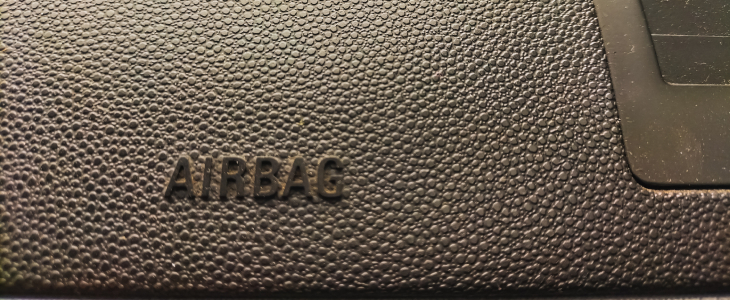
The Japanese automaker has announced a recall affecting its popular models due to an airbag safety risk. Find out later in the article if your model is affected.

History of the Recall

Subaru America initiated the recall after it was discovered that airbags might not deploy during a crash. The issue relates to the capacitor housed within the occupant detection system sensor, as it may crack and short circuit. This leads to the front passenger airbag being unable to deploy when it is supposed to and can seriously affect passenger safety in a crash.

Which Subaru Models Are Affected?

118,000 Legacy and Outback models are subject to the recall, affecting 2020-2022 model years. Broken down into 103,114 Outback models and 15,609 Legacy models built between June 16, 2020, and July 12, 2021.

What Owners Need To Do Next

Subaru has said that the dealership will replace the affected occupant sensors for every affected vehicle. If your vehicle has already undergone out-of-pocket expenses relating to this issue, Subaru has also claimed that they will reimburse owners. Letters will be sent to owners from May 21, 2024. So if you think your vehicle is affected, wait for further instructions outlined in the letter.

If you are in doubt or need more help, then call Subaru’s customer service at 1-844-373-6614. Subaru’s number for this recall is WRA-24.

How Consumers Can Take Back Control

This latest announcement from Subaru is related to a safety critical component, airbags. Whilst fixes have been announced for the affected vehicles, many owners continue to be unhappy with the solutions provided by automakers. These problems have the potential to escalate into further legal action, just like this – underlining the importance of protecting consumer rights.

If you struggle with vehicle troubles and feel cornered against big vehicle brands, remember it is always better to have experts with you. With extensive experience and successful cases at hand, The Lemon Firm is your best bet. With the dedicated team members always at your disposal, the package becomes too good to be true. So, if your car is giving you a headache, don’t hesitate to reach out! 

Call 833 Lemon Firm and speak with a case analyst today!

A Subaru Crosstrek SUV parked on grass with mountains in the background.

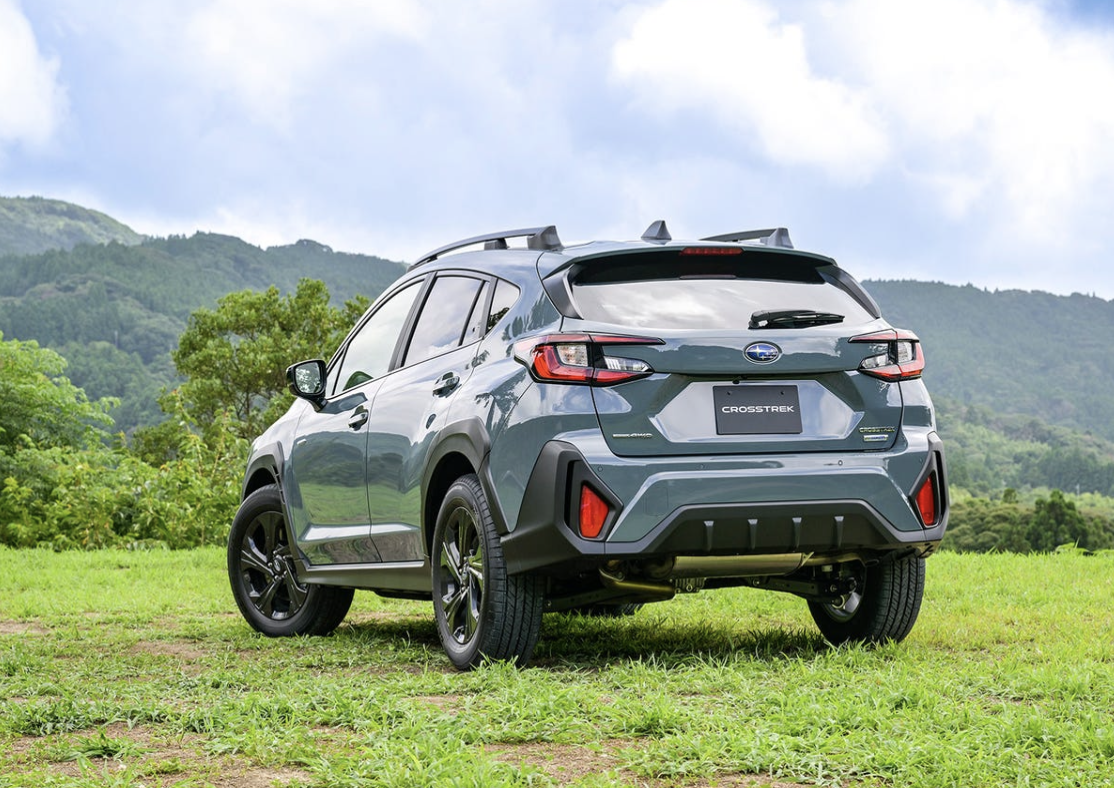
Crosstrek and Impreza owners, you won’t want to miss this surprising announcement. According to the reports, you may be impacted by a recent recall related to a potentially dangerous electrical flaw in your vehicles. So, if you own a Subaru vehicle, be prepared for potential wait times due to a recent recall. Familiarize yourself with the legal complexities you could face. Let’s navigate through the details.

What is the Flaw?

The electrical flaw spotted in the new Crosstrek and Impreza 2024 revolves around an insufficient space for wires around the instrumental panel harness. The wires, could become damaged or entangled causing a potential short circuit. You may face electrical malfunctions, loss of power, and, in extreme cases, fire hazards. To avoid any such issue affecting you, you must promptly address and seek legal help.

Recall’s Overview

The newly redesigned models of Impreza and Crosstrek for 2024 are making headlines due to the faulty electrical design. Hence, Subaru has announced a recall that affects around 35,357 vehicles. The company was supposed to resolve the issue in the revamped versions, at least. However, the sudden recall has shocked many owners. The notification letters will be sent to owners to bring their affected car for an inspection. It’s been reported that dealer will simply apply new insulation if the wire is damaged with the addition of a clamp. If you possess one of the specified versions, it’s essential to tackle the problem now.

Legal Complexities

  • Understanding what the vehicle’s warranty covers and whether recall-related repairs fall within its provisions.
  • Potential claims against the manufacturer or other parties if the recall is rooted in manufacturing defects or design flaws.
  • Terms and conditions of extended warranties or protection plans and whether they apply to recall-related problems.
  • Insurance issues like changes in coverage or premium adjustments.
  • Considering in class-action lawsuits if many owners are affected by the same recall.

Claim Your Rights!

Check if your car is part of the recall by locating its special ID number, the ‘VIN.’ You can usually spot it on your car’s registration, insurance, or on the dashboard. If your car is on the recall list, swiftly contact the dealership for repairs.

If you’ve encountered problems with your gas powered, Hybrid or EV, don’t hesitate to get in touch with a legal pro. Lemon Law Firm has assisted thousands of individuals in recovering compensations dealing with car issues. Please reach out to a case analyst for a free consultation by dialing (833) Lemon-Firm.

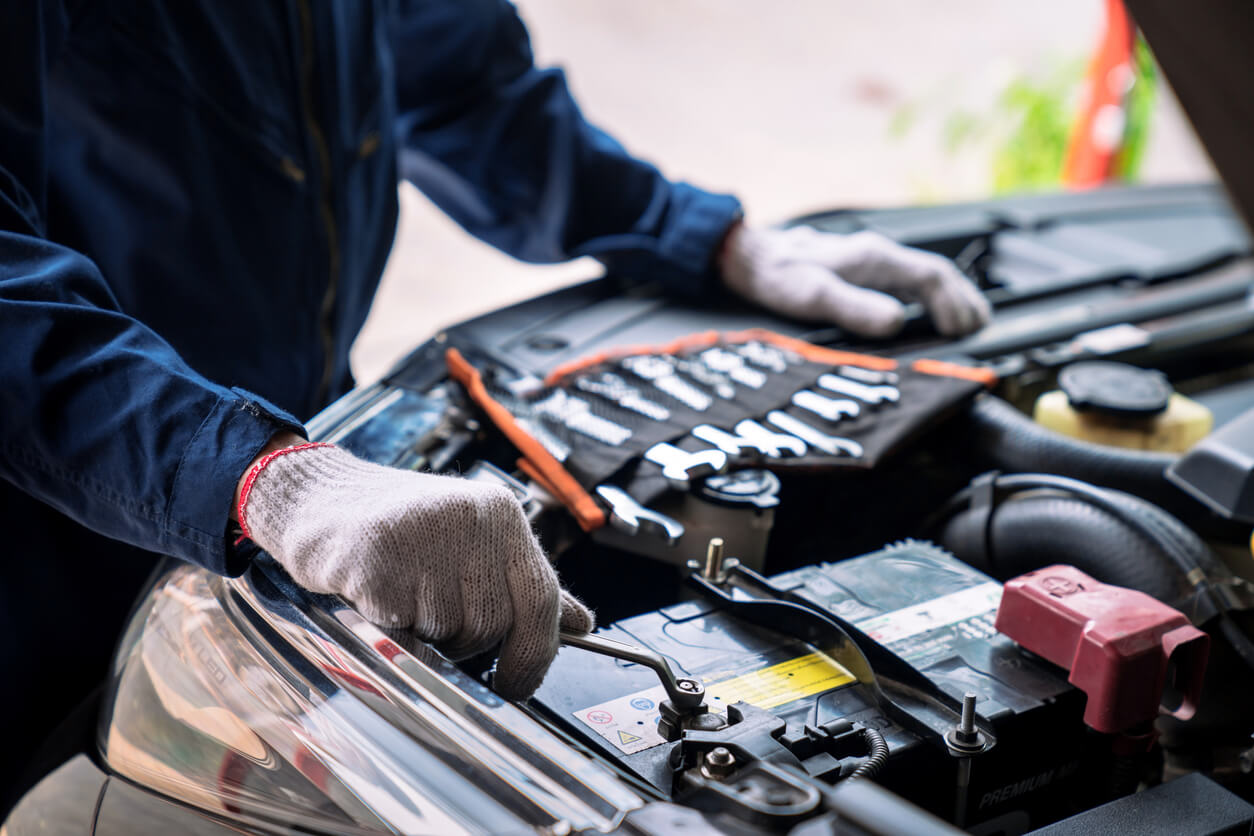
A mechanic wearing work gloves is using a wrench to work on a car's engine. A set of tools is visible in the background.

By: Andrea Plata

Subaru owners have complained for years about battery problems with their vehicles. All too often, Subaru owners have found that they take their vehicles in over-and-over again for battery problems; but that the authorized dealerships are unable to finally resolve the problems. Recently, a class action lawsuit has been brought against Subaru for issues relating to the 2016-2020 Subaru Outback and Subaru Ascent models. The lawsuit is alleging that the vehicles have a battery drain issue and do not have the capacity to power the electrical systems when turned off. 

What is an Automobile Class Action Lawsuit? 

A class action lawsuit is a lawsuit brought by a group of plaintiffs who have suffered similar damages or injuries. Automobile class action lawsuits are typically brought when a group of plaintiffs is claiming that a specific auto part has either design or manufacturing defects. The term defect is used to describe a condition of a consumer product that does not meet a consumer’s reasonable expectation. 

In re Subaru Battery Drain Products Liability Litigation

Several individual suits were consolidated and brought as, In re Subaru Battery Drain Products Liability Litigation. Plaintiffs allege that the vehicle models have an uncommonly short battery life and that this leads to drivers facing serious issues on the road. Subaru owners have complained that the short battery life has resulted in them becoming stranded on the side of the road and forced to purchase battery chargers or alternative transportation. 

Plaintiffs claim that Subaru was aware of the battery drain issues in the Outback and Ascent models starting in 2017 and that the company concealed the known defect to consumers. Subaru has issued new batteries under their product warranty in the past although consumers are alleging that the replacement batteries also suffer from the same battery drain. 

One Plaintiff in the Class Action lawsuit described the issues as follows: “Defendant attempts to remedy the Defect by simply replacing the battery. But Defendant does so with batteries that have the same Defect, and thus, fails to fix the problem. This makes it substantially certain that the Defect will occur again, and many Class Members have in fact had their batteries replaced multiple times.”  Another owner of a 2018 Subaru Outback described the frustration with the constantly failing batteries, “This is the third time I have had to deal with a dead battery for the car. I don’t drive it often, and the car runs absolutely fine when the battery is actually working, but the battery dies on its own which leads me to believe that it’s somehow draining on its own.”  

How We Can Help

The California Lemon Law is one of the strongest in the United States and provides robust protections when automakers do not stand behind their warranties and are unable to quickly fix vehicles.  If your Subaru has given you repeated headaches, please call CCA today for a free consultation: (833) LEMON-FIRM. We will get you the compensation you deserve – and at no cost to you! 

A Subaru SUV parked on a dirt road near the mountains.
By Nicole Halavi

As of last month, Subaru is recalling nearly 400 model year 2021 Outback and Impreza vehicles because the continuously variable transmission (CVT) gear shifter cable nuts may not have been tightened properly. A loose cable nut can cause problems when operating the gear shifter.

The recall was set to begin on February 19, 2021.

What Can I Do if I’m Driving a Subaru Outback or Impreza?

If you are driving a Subaru that is exhibiting any of the issues discussed above concerning the gear shifter cable nuts, California’s lemon laws are here to protect you and prevent any further complications. The attorneys at CCA are very knowledgeable about the issues associated with cable nuts and will work with you to fight back against the automaker.

Please do not hesitate to call CCA today for a free consultation: (833) LEMON-FIRM. We’ll get you the compensation you deserve – and at no cost to you!